Can you stay overnight on Easter Island?
Yes. Plan an overnight stay when flying from Santiago: how many nights to allow, the lodging paperwork and what a night costs.
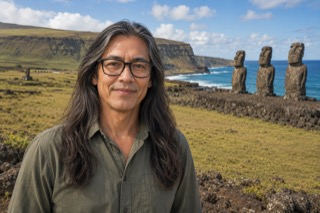 By Pedro Pakarati, Rapa Nui tour guide and archaeological specialist
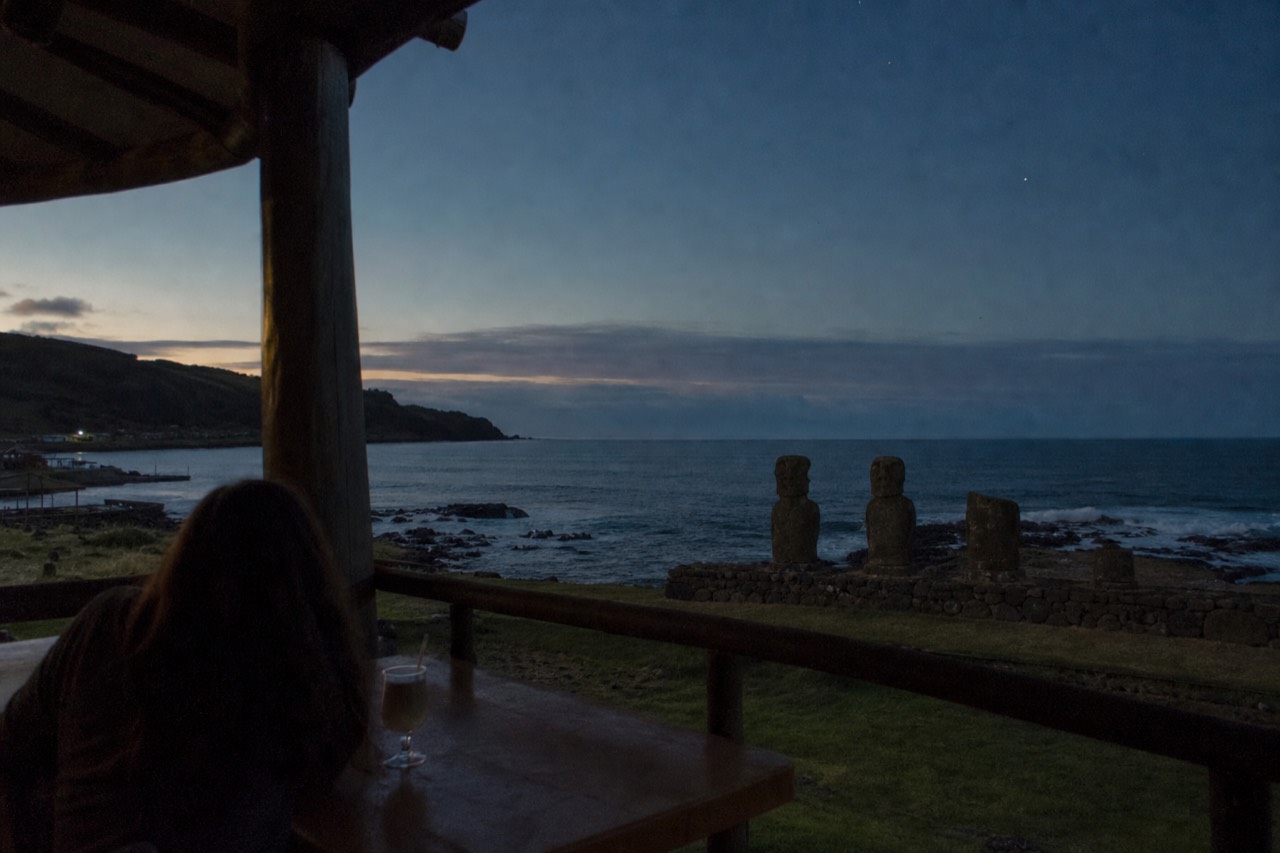
At six in the morning at Ahu Tongariki, the gate opens for people who came for the dawn. The wind comes straight off open ocean, it is colder than anyone packs for, and fifteen moai stand black against a sky that has not decided on a colour yet. Nobody standing there arrived that morning from anywhere. They all slept on the island, most of them twenty-odd minutes away in Hanga Roa.
That is the practical answer for a trip by air: plan to stay overnight. Cruise shore visits are a different format, with passengers returning to their ship.
Can you visit Rapa Nui without staying the night?
For a trip by air from Santiago, plan an overnight stay and check your actual flight schedule. A cruise shore excursion is the exception: passengers can visit during a port call and return to the ship. For a land stay, arrange the required accommodation booking or invitation paperwork before flying.
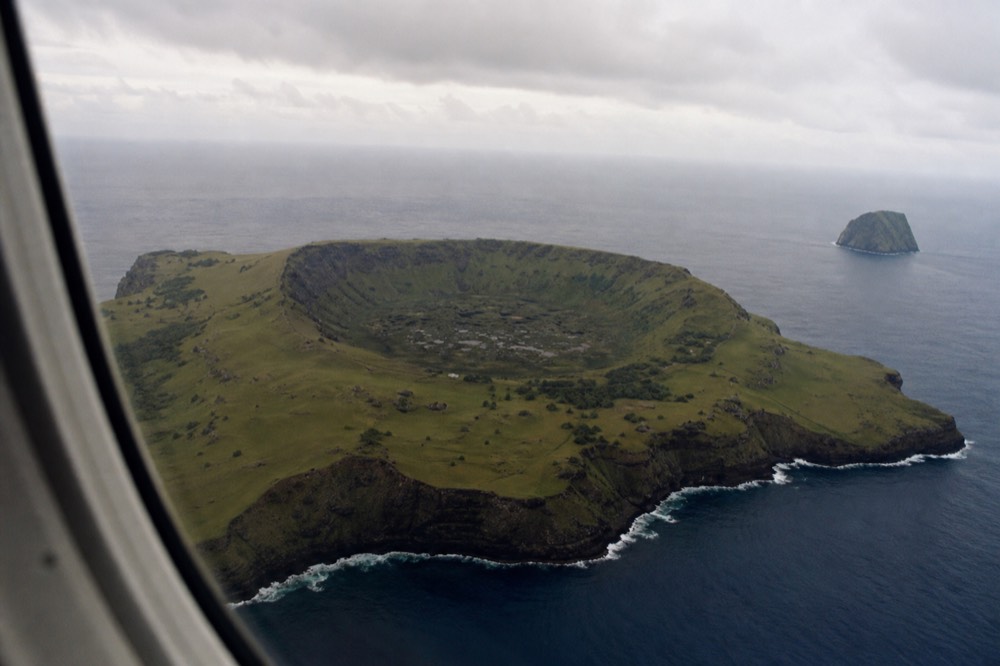
The route itself is the constraint. One airline on a single mainland connection, Boeing 787s crossing 2,200 miles of empty Pacific, and no Tahiti service currently operating. Round-trip fares through 2026 have typically sat between $342 and $504 with spikes above $650, and booking around ten weeks ahead has been running about 27% cheaper than last-minute. How the route actually works covers the schedule and the fare windows in detail.
The accommodation rule catches people out more often than the flight does. Because your lodging booking is part of the entry paperwork, a vague plan to sort something out on arrival is not a plan, and neither is a rental found somewhere that is not on the Sernatur register. Legitimate hotels, guesthouses and campsites are almost always registered, and the register is searchable, so the check is quick if you do it before you pay.
How many nights do you actually need?
Three nights is the honest minimum, four is comfortable, and two is a rushed trip that wastes the flight. The park ticket runs 10 consecutive days, but the real limit is that Rano Raraku and Orongo each admit you once per ticket, so a bad first visit to either cannot be repeated.
| Nights | What realistically fits | The package that matches |
|---|---|---|
| 1 to 2 | One full circuit, south coast to the quarry to Anakena. You will not reach Orongo properly | The one-day full circuit |
| 3 | Both circuits and potentially Tongariki sunrise, depending on flight times and the operator’s outing order | The two-day package with a night either side, or the three-day with sunrise |
| 4 to 5 | Both circuits, sunrise, a stargazing night, Anakena as a beach rather than a stop, weather margin | Three-day package plus independent days |
| 6 to 10 | Hiking, diving, the north coast on foot, repeat visits to sites that allow it | Multi-day package plus free days |
| Up to 30 | The legal maximum tourist stay under Law 21.070 | No package; long-stay lodging |
The flight schedule quietly does the planning for you. With five or so departures a week, your options are shaped by which days the aircraft actually flies, which is why so many itineraries land on three or four nights rather than a neat weekend.
Weather is the other reason not to run it tight. Rain falls year-round with real variability, trade winds are constant, and a single grey morning can flatten a sunrise plan. A spare day is not padding on this island, it is insurance.
What paperwork does an overnight stay require?
The Formulario Único de Ingreso, completed online before you fly, for every visitor including Chileans. You need valid ID or a passport, a non-transferable return ticket and a booking with Sernatur-registered accommodation or an invitation letter. Maximum tourist stay is 30 days under Law 21.070. None of this is a visa.
| Requirement | The detail |
|---|---|
| Entry form | FUI, filed online at the government portal before departure, all visitors |
| Identity | Valid passport or national ID |
| Return travel | Non-transferable return ticket within the permitted stay |
| Accommodation | Booking with a Sernatur-registered property, or an invitation letter or sworn statement |
| Maximum stay | 30 days for tourists, under Law 21.070 |
| Park ticket | Separate from most day tours: check the selected package, because some multi-day stays include admission |
| Park access | An accredited local guide is mandatory at park sites |
File the form at the official FUI portal and read the Chilean government's entry page alongside it, because the requirements are stated there in plain English and change without much fanfare. US citizens need no tourist visa for Chile, and that is a separate matter from the FUI, which everyone completes regardless of nationality. The visa question in full covers the distinction.
What does a night on the island cost?
Less than the flight, and more than mainland Chile. Hostel dorms run $23 to $47 a night, averaging around $31. Mid-range double rooms span roughly $45 to $200 and up. Registered campsites sit around $16 to $20, or about 10,000 pesos at sites with facilities. Almost everything else is shipped in, and the prices show it.
| What you pay for | 2026 range |
|---|---|
| Hostel dorm bed | $23 to $47 per night, averaging around $31 |
| Mid-range double room | $45 to $200 and up, by property |
| Registered campsite | $16 to $20 per night, around 10,000 CLP at some sites |
| Dinner, mid-range | $20 to $40 per person |
| Taxi to Tongariki, one way | $20 to $30 |
| Scooter, per day | $35 to $50 |
| Compact 4x4, per day | $60 to $115, commonly $90 to $114 |
| Four-day trip, budget | Roughly $1,200 to $1,600 all in from Santiago |
| Four-day trip, mid-range | Roughly $1,800 to $3,200 all in from Santiago |
Two cash notes matter for anyone staying more than a couple of nights. There are two ATMs in Hanga Roa and they do run dry, particularly at weekends and in high season, and Anakena's kiosks are cash only. Cards work in most places, and the island runs on Chilean pesos, with dollars accepted here and there if the notes are pristine. The full cost breakdown does the trip maths properly.
Can you camp?
Not inside the national park. Camping and fires are prohibited within park boundaries, along with pets, drones without authorisation and alcohol. Registered campsites operate outside the park around Hanga Roa at roughly $16 to $20 a night, and because your accommodation must be Sernatur-registered for the entry form, wild camping is ruled out by the paperwork as well as by the park rules.
That combination is stricter than it sounds on paper and easier than it sounds in practice. A registered campsite gives you the booking reference the FUI wants, facilities, and a legal place to sleep for less than a dorm bed. What it does not give you is the fantasy of pitching a tent below the moai, which is precisely the behaviour the rules exist to prevent.
The rest of the park code follows the same logic: stay on marked paths, no touching or leaning on the moai and ahu, no removing stones, no graffiti, no commercial filming without permission. Fines run from 5 to 100 UTM depending on severity under Chile's national monuments law, and they are levied on visitors, not on the operator who drove you there.
What does staying actually buy you?
The two ends of the day. Sunrise at Tongariki, where the site opens at 6:00 and the sun comes up between roughly 6:30 in summer and 7:30 in winter. A night sky with effectively no light pollution, clearest from April to October. Anakena as a swim rather than a photo stop, with sea temperatures peaking at 25 to 27°C around early March.
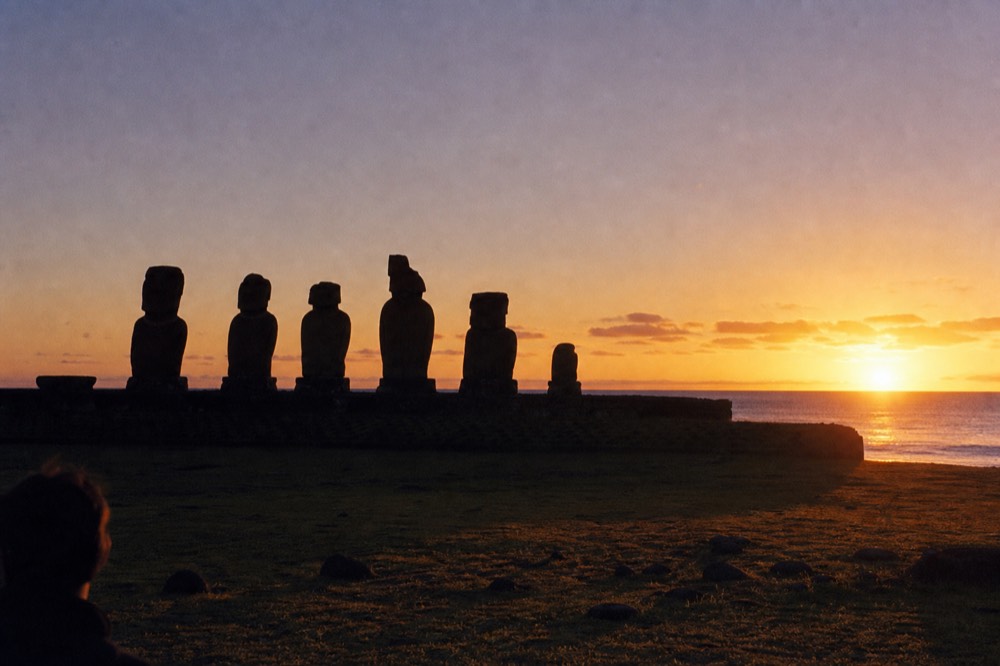
The dawn is the strongest argument. It costs an early alarm and a warm layer, happens before the main day circuits, and is one of the experiences that draws people across the Pacific. Dedicated sunrise outings handle the early transport; leave room for one when planning your nights.
Nights buy the sky as well. Far from major cities, the island offers a chance to see southern skies that many visitors rarely encounter at home. Cloud, moonlight and weather affect what is visible, and a warm layer helps with wind coming off open ocean.
The other thing extra nights buy is the island's own calendar. Tapati Rapa Nui runs 30 January to 12 February 2027 for its 59th edition, with more than 40 events, and accommodation is limited and expensive across it, so that fortnight is booked far ahead or avoided deliberately. The rest of the year, the reward for staying is quieter: an evening at Tahai watching the sun drop behind three restored ahu, tuna ceviche that was landed that morning, and a town that goes about its business once the day tours have finished. Where to stay on the island narrows the lodging down, and the full tour lineup shows what the days in between can carry.
Match The Day To Your Plans And Compare Costs
Editorial starting point. Confirm your party's age, access needs and departure details on the listing.
Easter Island Highlights In Two Days: Quarry and coastal moai on one day; Orongo, Puna Pau, Ana Te Pahu and Akivi on the other. Booking details: Site admission and lunch are extra. Confirm terrain and vehicle suitability for your party. 2 days
Two Island Circuits And Tongariki Sunrise: Two full-day circuits plus a separate Tongariki sunrise outing. Booking details: Park admission, food, flights and accommodation are not included. Moderate fitness required; confirm the order of outings. Three-day span
Compare Your Actual Quotes
Use totals for the same party and the same itinerary in one currency. Include guide, transport, admission and meals where relevant. These are your quotes, not live prices.
Match the same experience, dates and party. Compare guide and vehicle time, admission, meals and cancellation terms. A price difference alone does not establish equivalent value.