Where to stay on Easter Island: one town, five price bands, one rule
There is one town on this island, so the question is never which resort area to pick: it is which price band you land in and whether your booking is registered with Sernatur.
 By Pedro Pakarati, Rapa Nui tour guide and archaeological specialist
Short answer
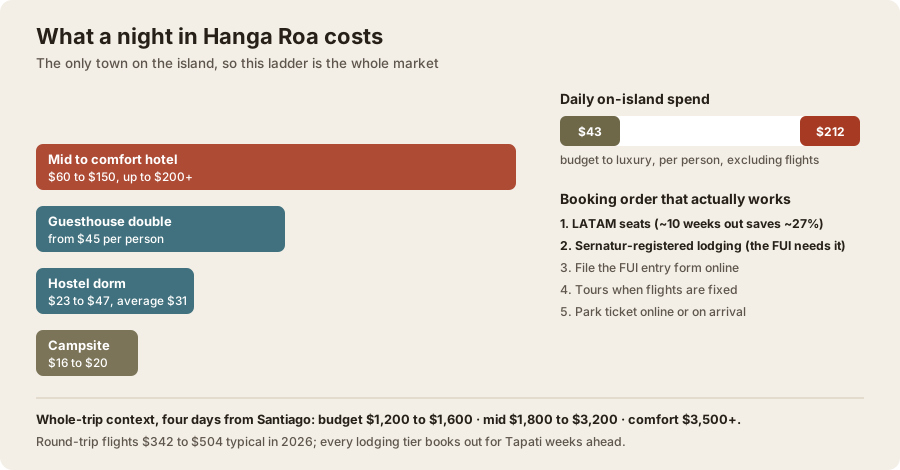
Everyone stays in Hanga Roa, the island's only town. Campsites run about $16 to $20 a night, hostel dorms $23 to $47 with an average near $31, and hotel doubles from around $45 to $200 and up. Your accommodation must be Sernatur-registered, because the mandatory FUI entry form requires proof of a registered booking before you fly.
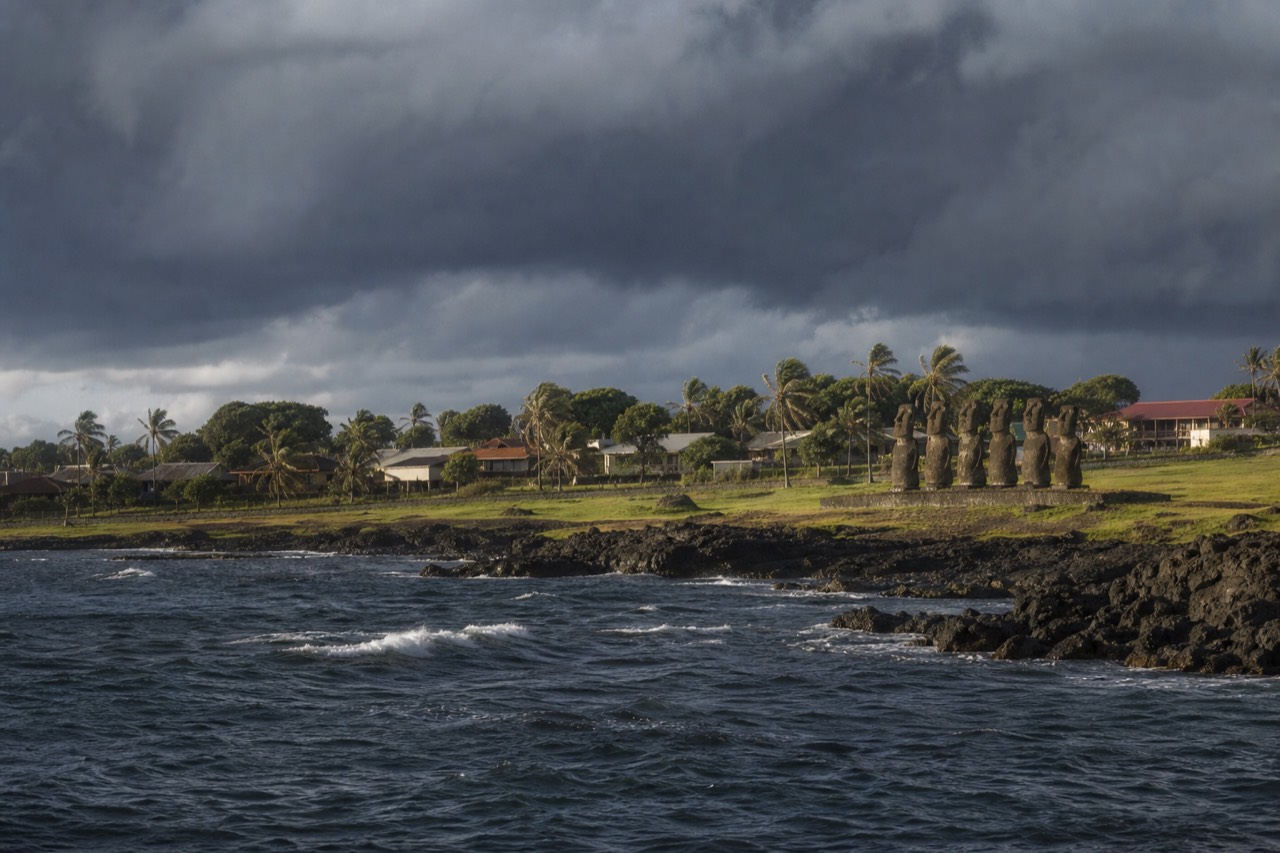
Hanga Roa is not the main town on Rapa Nui. It is the town. Every hotel, every guesthouse, every dorm bed and effectively every campsite sits in or immediately around it, along with the harbour, the banks, the shops, the hospital and the airport. Choosing where to stay here is a shorter exercise than almost anywhere else you will travel.
That single-settlement geography has a useful consequence and an awkward one. The useful part: nothing is far from anything, most tour operators collect from lodgings across town, and you can walk to Tahai for sunset from most addresses. The awkward part: supply is finite, and a booking is not just a booking. It is a document you need in order to board the aircraft.
Where do you actually stay on Easter Island?
In Hanga Roa. It is the island's only town and the only place with accommodation, spanning campsites, hostels, guesthouses and hotels. Everything else on the island is either national park, which requires an accredited guide, or open land. There is no second base, no resort strip and no reason to plan around geography.
| What "one town" means | Consequence for your booking |
|---|---|
| All lodging is in or around Hanga Roa | Location choice is street-level, not region-level |
| The airport sits at the edge of town | Transfers are short from anywhere |
| Banks, shops and the harbour are in town | Cash, food and supplies are all walkable |
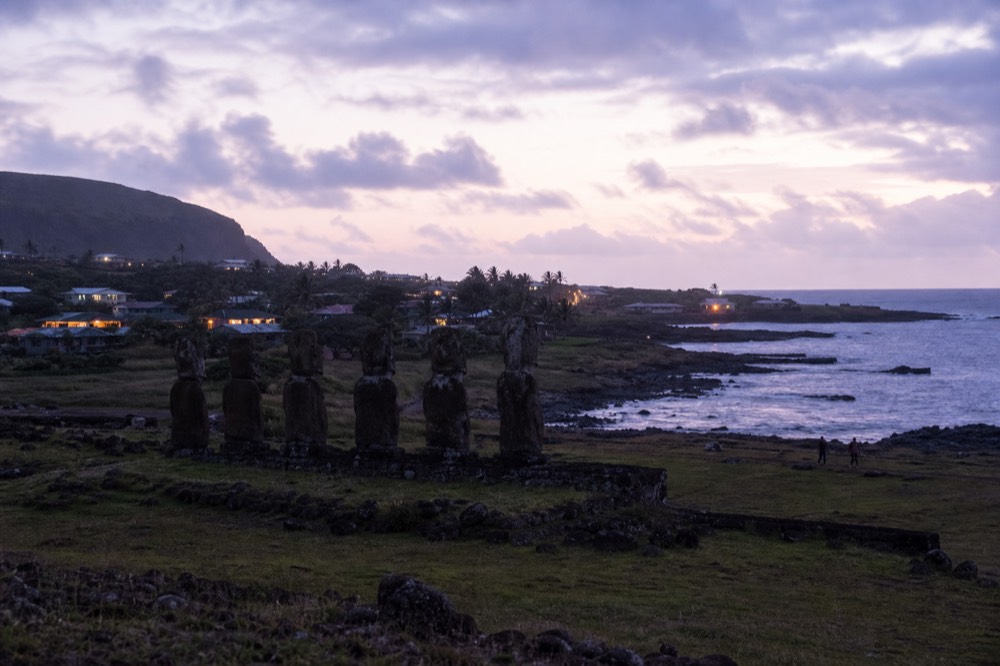
| Tahai is a walk from most of town | A free sunset with moai, every evening, no guide needed |
| The rest of the island is national park | No lodging out at the sites; day trips start and end in town |
| Guide required for park sites | Staying "closer to Tongariki" is not a thing you can do |
| Supply is finite | Availability, not location, is the constraint that bites |
The instinct to stay near the sights does not apply here and trying to act on it wastes time. Rano Raraku, Tongariki, Orongo and the caves are all inside Rapa Nui National Park, entry requires an accredited Ma'u Henua guide, and no accommodation sits inside it. Whatever address you book, your day starts with a vehicle leaving Hanga Roa.
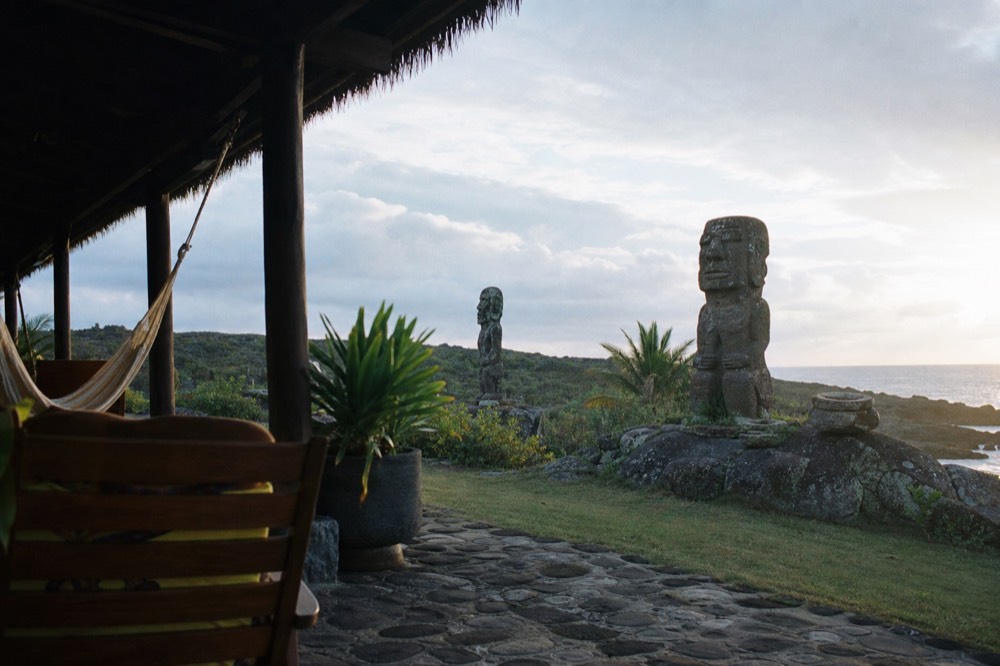
What does vary is the character of the stay rather than its convenience. The island's lodging runs heavily to family-run guesthouses and small properties rather than chains, which means the person checking you in is often the person who can arrange a curanto, tell you which night the sky is likely to be clear, and confirm whether your tour includes pickup from that particular gate.
One consequence of a single town is that overnight stays are not optional in the way they are elsewhere. There is no day-trip access to this island and no cruise-style stopover: the entry system requires a return ticket and a registered booking before departure. Whether you can stay overnight on Easter Island covers that question directly, and the honest answer is that staying overnight is the only way to be here at all.
What does a night in Hanga Roa cost?
Campsites run about $16 to $20 a night, or roughly 10,000 CLP at sites with facilities. Hostel dorms run $23 to $47 with an average near $31. Mid-range hotel doubles start around $45 and climb past $200. Daily on-island spending, excluding flights, ranges from about $43 for budget travel to $212 at the top end.
| Band | Typical nightly rate | What it usually means | Who it suits |
|---|---|---|---|
| Campsite | About $16-20, or around 10,000 CLP at sites with facilities | Your own tent, shared facilities | Long stays, tight budgets, warm months |
| Hostel dorm | $23-47, average near $31 | Shared room, shared kitchen | Solo travelers, flexible dates |
| Guesthouse or budget double | From around $45 | Private room, family-run, often breakfast | Couples watching the total |
| Mid-range hotel | Roughly $60-150 per person per night in reported mid-range trips | Private room, hotel services | Most first-time visitors |
| Upper and comfort tier | $200 and above | Larger properties, higher service level | Comfort trips, honeymoon-style stays |
| Whole-trip context | $43-212 per person per day on-island, before flights | The full daily spend including food and transport | Sanity-checking any nightly rate |
Those bands mean more when you set them against the trip totals. Reported 2026 four-day budgets from Santiago land at roughly $1,200 to $1,600 for budget travel, $1,800 to $3,200 mid-range and $3,500 upward for comfort, with round-trip flights typically $342 to $504 and the park ticket a flat $100 per foreign adult on top. Accommodation is the line with the widest spread, so it is also the line where a decision changes the total most.
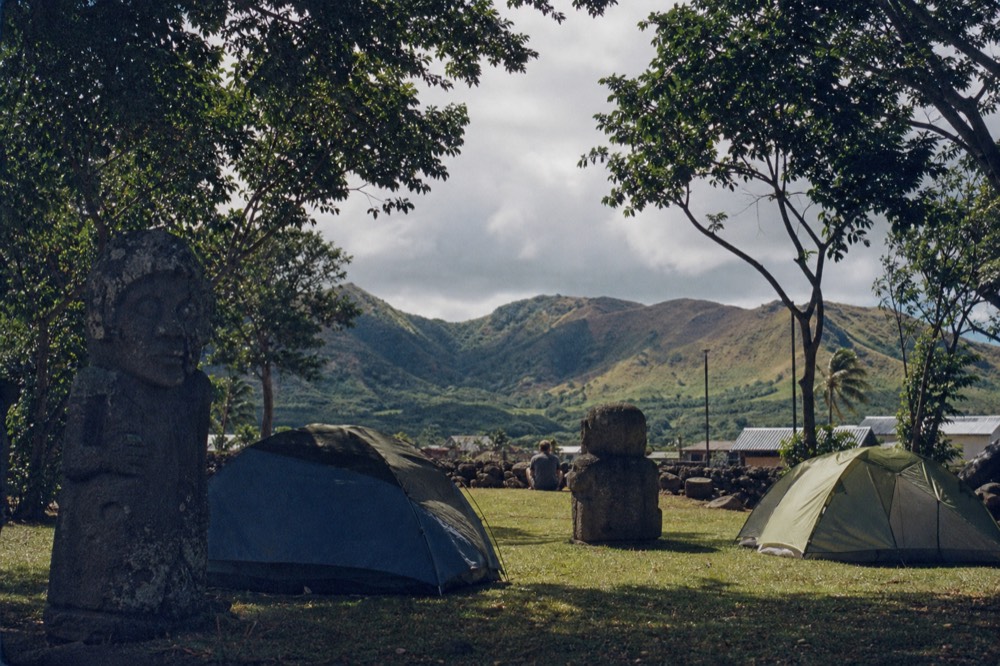
Camping is worth a straight paragraph rather than a dismissal. At $16 to $20 a night it is the cheapest legitimate option on the island, campsites are among the accommodation types that carry Sernatur registration, and in the warm months from December to March it is a genuinely comfortable choice. What it does not survive well is the southern winter, when rain falls in every month and the trade winds are constant.
The hostel band has a quirk that catches people. A $23 floor and a $47 ceiling on dorm beds is a doubling, and the average of about $31 sits closer to the bottom than the top, which tells you the expensive dorms are outliers rather than the norm. If a dorm quote lands near $47, it is worth checking what else is available before accepting it as the market rate.
Standalone room rates do not cover park entrance. The selected day tours generally exclude it too, while some hotel-and-tour packages explicitly include it. Check your booking before adding a separate park ticket to the total. The full budget math puts every line in one place, and the ticket rules explain the single-entry sites that come with it.
Why does your accommodation have to be Sernatur-registered?
Because the mandatory FUI entry form requires it. Every visitor to Rapa Nui, Chileans included, must complete the Formulario Único de Ingreso online before flying, and the required documents include a valid ID or passport, a non-transferable return ticket, and proof of accommodation registered with Sernatur, or an invitation letter where that applies. Maximum tourist stay is thirty days.
| Requirement | What it means in practice | Where to check |
|---|---|---|
| FUI form, all visitors | Completed online before the flight, not on arrival | ingresorapanui.interior.gob.cl |
| Valid ID or passport | Standard identity document | Your own records |
| Non-transferable return ticket | A one-way booking will not satisfy the form | Your airline booking |
| Sernatur-registered accommodation | Booking proof from a registered property, or an invitation letter | The property, and the Sernatur database |
| Maximum stay | 30 days for tourists, under Law 21.070 | Chilean government entry rules |
| Who this applies to | Everyone, including Chilean nationals | The official portal |
| What it is not | The FUI is not a visa | Entry documents explainer |
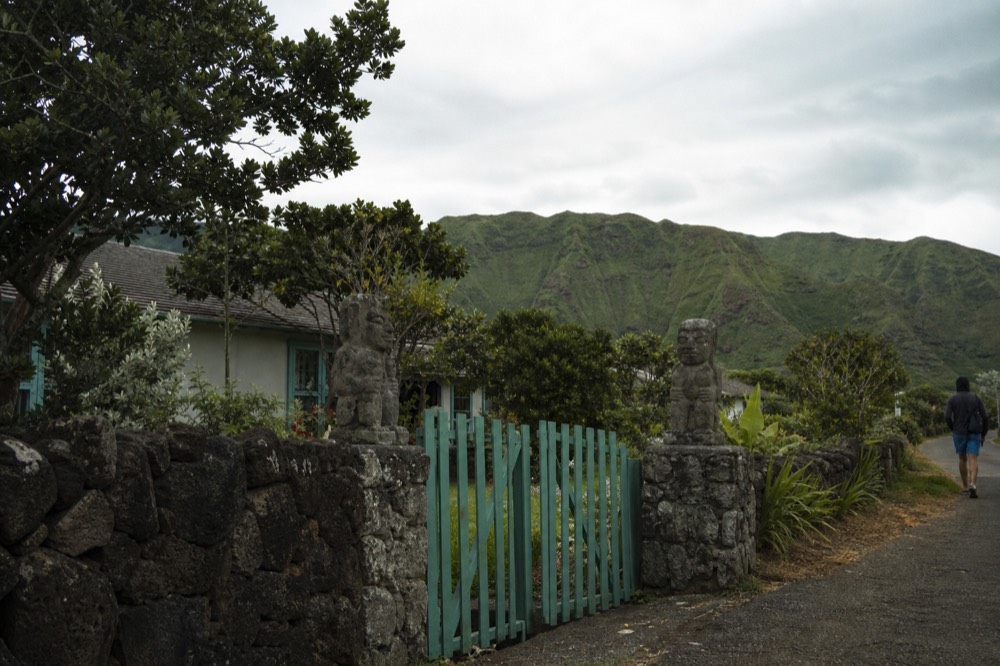
The practical version is simpler than it sounds. All tourist accommodation on the island is required to be Sernatur-registered, and legitimate hotels, guesthouses and campsites are almost always registered already, with the register itself searchable. So for most travelers this is a box that gets ticked automatically by booking a real property rather than a private arrangement.
The risk sits at the informal end. A room arranged privately, a stay with a friend, or a listing that cannot produce registration details is where the FUI form becomes a problem, and the moment it becomes a problem is at check-in for the flight rather than at the guesthouse door. Where a stay is genuinely private rather than commercial, the invitation letter or sworn statement route exists, which is why the form asks for it as an alternative.
The ordering consequence is the one people get wrong. Because the FUI needs a registered booking and a return ticket, the accommodation has to be confirmed before the entry form, and the entry form before the flight is usable. That inverts the habit of booking flights first and sorting a bed later. On this route, a confirmed bed is part of the boarding process.
None of this is border theatre for its own sake. It is the mechanism behind the thirty-day cap and the wider protection framework covering an island with one town, a finite number of beds and a national park that carries UNESCO World Heritage status. Understanding it as a capacity system rather than a bureaucracy makes the sequence obvious.
Which part of Hanga Roa should you stay in?
All of it is walkable, so the choice is about what you want to be nearest. The centre and harbour put shops, banks, restaurants and the two ATMs at your door. The northern side sits closest to the Tahai walk and its sunsets. Addresses toward the airport edge and the outskirts are quieter and usually cheaper, with a longer walk into town.
| Area | What is nearby | Trade-off | Best for |
|---|---|---|---|
| Centre | Shops, restaurants, banks and both ATMs, the harbour | Busiest part of a small town | First-time visitors, short stays, no car |
| Harbour front | The water, boats, the town's evening rhythm | Limited stock, prices reflect position | Travelers who want to walk everywhere |
| Northern side, toward Tahai | The sunset platform, quieter streets | Slightly further from the shops | Anyone planning nightly sunset walks |
| Airport edge | Fast transfers in and out | Furthest from the harbour end of town | Short stays, early departures |
| Outskirts | Space, quiet, garden properties | A real walk into town after dark | Longer stays, travelers with a vehicle |
| Campsites | Facilities on site | Weather-dependent comfort | Warm months, tight budgets |
The honest framing is that "area" barely functions as a variable in a town this size. Nothing is far from anything, the walk between the far ends is manageable, and no address is meaningfully closer to the archaeological sites, because all of those sit inside the park and require a guide and a vehicle regardless.
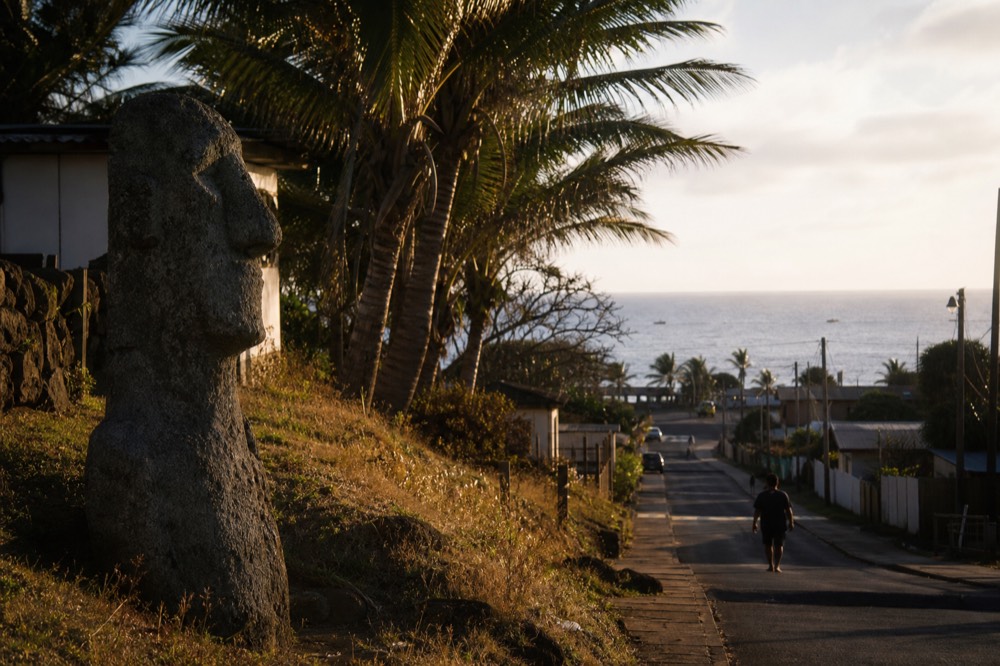
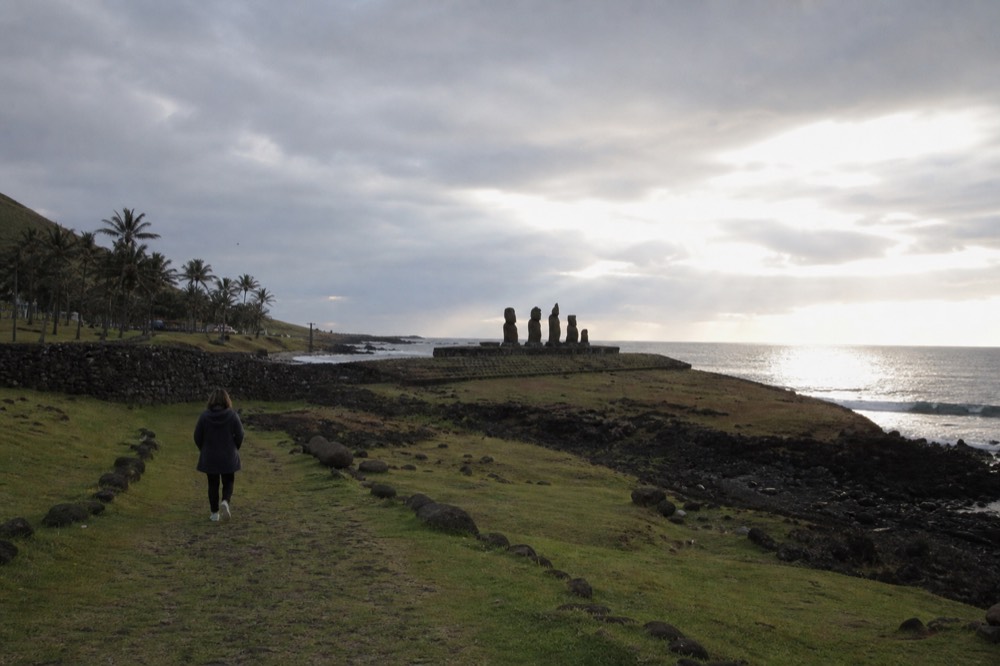
Where position does matter is the evening. The walk out to Tahai is one of the best free things on the island, it needs no guide and no ticket, and doing it on foot from your own door rather than arranging transport is the difference between doing it once and doing it every night. If sunsets are part of why you came, weight the northern side of town accordingly.
The other genuine consideration is cash. Hanga Roa has two ATMs, at BancoEstado and Santander branches, and they are known to run out of cash at weekends and in high season. Cards are widely accepted around town, but small expenses, taxis and Anakena beach run on cash, so being a short walk from a bank is worth something on arrival day. What currency the island runs on covers pesos, dollars and where each works.
Safety is not a factor in the area choice, which is unusual enough to state plainly. The island has a reputation as exceptionally safe with virtually no violent crime reported against tourists, and general Chile travel advisories cover it without island-specific warnings, with normal precautions advised for belongings. The safety question in full goes through what the advisories actually say.
How far ahead should you book a bed?
Book the bed before the flight, always, because the FUI form needs it. Beyond that sequence, published lead-time data for this island does not exist, so treat the calendar rather than a week count as the guide: austral summer from December to March fills first, and the Tapati fortnight from 30 January to 12 February 2027 is the tightest window of the year.
| Stage | What to fix | Why in this order |
|---|---|---|
| First | Accommodation, at a Sernatur-registered property | The FUI form requires proof of a registered booking |
| Second | Round-trip flight, ideally around ten weeks out | Booking roughly ten weeks ahead saves about 27 percent on the only route |
| Third | Guided circuit days | Vehicles and accredited guides are the scarce resource, especially December to March |
| Fourth | FUI form, online before departure | Needs the booking and the non-transferable return ticket |
| Any time before the park | Park ticket, $100 foreign adult | Bought online in advance or on arrival; valid ten consecutive days |
| Tapati dates, 30 Jan-12 Feb 2027 | Everything, earlier | Accommodation is limited, demand high, prices climb |
Anyone quoting you a precise number of weeks for high-season accommodation on Rapa Nui is guessing, because no source publishes it. What is documented is the shape of demand: accommodation on the island is limited, the festival period carries explicit warnings about high demand and rising prices, and the austral summer months are when tour capacity books out first.
The ten-week figure is the one hard anchor in that sequence and it applies to the flight rather than the bed. Booking around ten weeks ahead saves roughly 27 percent against last-minute on the Santiago route, where 2026 round trips typically run $342 to $504 with spikes past $650. Since the bed has to be confirmed before the form and the form before the flight is usable, ten weeks out for flights implies rather more than ten weeks out for accommodation.
For Tapati specifically, invert everything. The festival runs 30 January to 12 February 2027, the 59th edition, and the binding constraint is beds rather than aircraft seats, on an island with one town and a finite number of registered places to stay. Secure a room first and let the flight follow, rather than the other way round. The seasonal read has the full month-by-month picture of when demand rises.
Outside summer and the festival, the pressure eases considerably. June to September is the quietest stretch on the island, off-peak for fares apart from the July spike, and the window where a shorter lead time carries the least risk. That is also the darkest-sky season, which makes it a better trade than it first appears.
How does tour pickup work from your accommodation?
Most full-day circuits collect from lodgings in Hanga Roa, which is one of the practical advantages of a single-town island. Not all of them do: some products start from a meeting point in town instead. The astronomy session meets at the Katipare library and includes a hotel drop-off afterwards rather than a pickup.
| Tour | Pickup from your lodging | Where it starts | From |
|---|---|---|---|
| Full-day circuit, Rapa Nui Dream | Yes | Hanga Roa hotel pickup | $120 |
| Full-day Moai and Mystery, Hotumatur | Yes | Hanga Roa hotel pickup | $100 |
| Boutique small-group full day | No | Hanga Roa meeting point | $200 |
| Highlights 2-day package, Hotumatur | Yes | Hanga Roa hotel pickup | $170 |
| 3-day package with Tongariki sunrise | Yes | Hanga Roa hotel pickup | $250 |
| Private full-day moai monuments | No | Hanga Roa | $230 |
| Private 7-hour archaeological day | Yes | Hanga Roa hotel pickup | $294 |
| Rapa Nui Stargazing | Drop-off only | Meets at Katipare library, hotel drop-off after | $140 |
That column is worth checking before you book rather than after, particularly if your address is toward the outskirts. A tour without pickup means getting yourself to a meeting point at the start of a long day, which is trivial from the centre and less so from a garden property on the edge of town. Taxis exist, and a run out to a site like Tongariki costs roughly $20 to $30 each way, which gives a sense of the local scale.
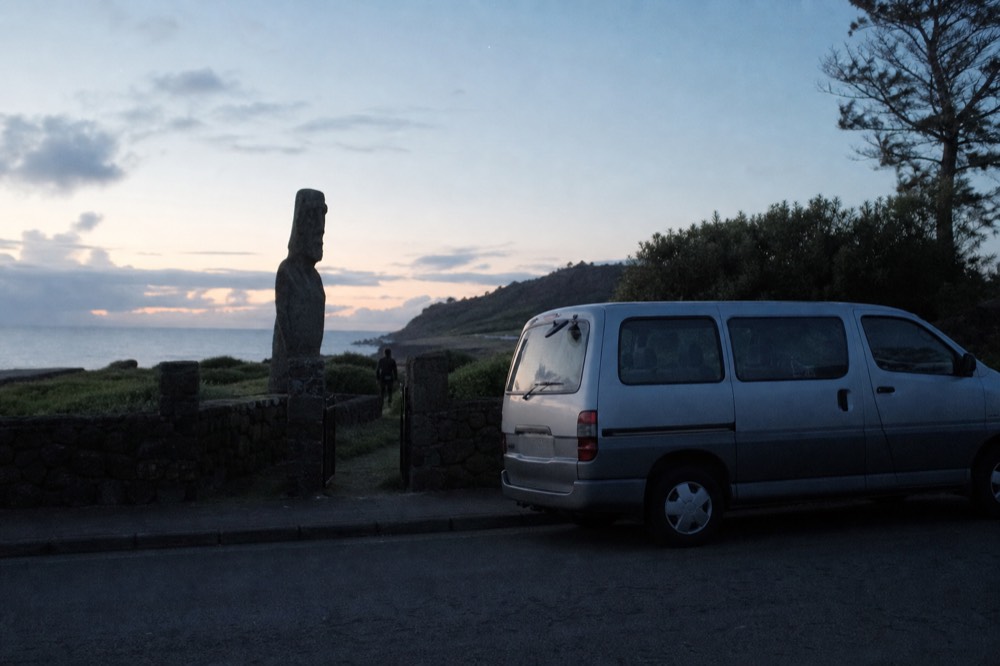
Dawn outings raise the stakes on this. A Tongariki sunrise means leaving town well before the 6:00 am site opening, with sunrise itself around 6:30 between December and February. Getting yourself to a meeting point at that hour is a different proposition from stepping out of your own gate into a waiting vehicle, which is one practical reason the sunrise product comes attached to a multi-day package with pickup included.
If your accommodation is fixed and pickup matters, compare tours on that criterion and confirm your exact address with the operator. The DREAM circuit and private archaeological day offer hotel pickup; this is sightseeing transport rather than an airport transfer. Travelers weighing a private option against a shared one can compare what a private day changes.
Your hosts are also the most reliable source on this. In a town where the guesthouse owner often knows the operators personally, a question at check-in about which vehicle collects from that gate tends to produce a better answer than any booking page.
Which type of lodging fits which traveler?
Solo travelers and long stays land in dorms at $23 to $47 or campsites at $16 to $20. Couples on a budget do better in a family-run guesthouse from around $45. First-time visitors on a standard four or five-day trip mostly end up in the mid-range hotel band, and comfort trips run from $200 a night upward.
| Traveler | Band that usually fits | Nightly figure | Why |
|---|---|---|---|
| Solo, budget | Hostel dorm | $23-47, average near $31 | Cheapest indoor option, shared kitchen keeps food costs down |
| Solo, comfortable | Guesthouse single or double | From around $45 | Private room without hotel pricing |
| Couple, watching the total | Family-run guesthouse | From around $45 | The band with the best value on the island |
| First-time visitors, 4-5 days | Mid-range hotel | Roughly $60-150 per person per night in reported trips | Services and simplicity for a short, dense trip |
| Family | Guesthouse or apartment-style | Varies within the mid band | Kitchen access matters when dinners run $20-40 a head |
| Comfort or special occasion | Upper tier | $200 and up | Larger properties, higher service level |
| Long stay, warm months | Campsite | $16-20, or around 10,000 CLP with facilities | Cheapest legitimate option; needs December-to-March weather |
| Tapati visitors | Whatever is registered and available | Prices climb during the festival | Availability outranks preference in that fortnight |
Kitchen access is the underrated variable in that table. A mid-range dinner runs $20 to $40 per person because nearly everything except fish is imported, so two people eating out twice a day for four days can spend more on food than on their room. Guesthouses and hostels with a kitchen change that arithmetic in a way the nightly rate alone does not show.
Trip length should also push the decision. On a three-day trip you are barely in the room: one arrival evening, one full circuit day, one departure morning, and the money is better spent on the quality of the guided day. On a five-day trip with a free afternoon and an early dawn start, the room stops being a place to sleep and starts being part of the experience. The three, four and five-day plans show how much time each version actually leaves you at your accommodation.
Deliberately absent from this page: named hotel recommendations. Reputations on a small island move faster than any guide can track, and a property that was excellent two seasons ago may have changed hands. Bands, areas and the registration rule hold steady; specific names do not, so use the bands here and current reviews for the rest.
What should you sort out before you arrive?
Cash, water and expectations about connectivity. Withdraw pesos early because the two ATMs can run dry. Default to bottled or dispenser water, since sources disagree on the tap. And do not assume reliable island-wide mobile data or hotel wifi, because no source documents it clearly.
Water is the one genuinely contested item and the honest answer is that the sources conflict. One island tourism source states the tap water is drinkable, purified from volcanic reservoirs and tested daily by the hospital. A 2026 travel guide states the opposite, that it is not recommended for drinking and should be used for hygiene only, with bottled water or authorised dispensers for drinking. With no consensus, bottled or dispenser water is the safer default. The tap water question in detail sets out both positions.
Connectivity deserves the same honesty. Entel began implementing Starlink Direct to Device technology in Chile in late 2025 for remote areas, a first in Latin America, but island-specific mobile coverage, SIM and eSIM options and hotel wifi performance on Rapa Nui are not documented in current sources. Plan on the assumption that connection will be workable rather than fast, and download anything you need for the flight and the circuits in advance.
Two health notes belong in the pre-arrival list. Hanga Roa has a hospital, and anything requiring advanced care means a flight to Santiago, which on a five-and-a-half-hour route is not a quick transfer. Local dengue transmission was reported on the island in March 2026, with fourteen cases and some hospitalisations, so repellent is a sensible packing item for a warm-season stay.
Language is the easy one. Spanish is the official language, Rapa Nui is the ancestral and cultural language, English is widely used across tourism, and French shows up too. Tipping is appreciated rather than expected, with around ten percent noted at restaurants.
Once the bed is fixed, the rest of the trip falls into a fairly rigid order: entry form, flight, guided days, park ticket. How the single route from Santiago works covers the flight side, the full lineup of bookable days sits in one place for comparison, and the single full-day circuits are where most visitors start once they know which address the vehicle is coming to.
Common questions
Is there anywhere to stay outside Hanga Roa?
No. Hanga Roa is the island's only town and effectively all accommodation, from campsites to hotels, sits in or immediately around it. The rest of the island is national park, entry to which requires an accredited Ma'u Henua guide, so there is no lodging near the archaeological sites. Every guided day starts and finishes in town regardless of which property you choose.
Does my hotel really need to be Sernatur-registered?
Yes. The mandatory FUI entry form requires proof of accommodation registered with Sernatur, alongside a valid passport or ID and a non-transferable return ticket, and it applies to every visitor including Chileans. Legitimate hotels, guesthouses and campsites are almost always registered already, and the register is searchable. Private stays use the invitation letter or sworn statement route instead.
What is the cheapest legitimate place to stay?
Camping, at roughly $16 to $20 a night or around 10,000 CLP at sites with facilities. Hostel dorms are the cheapest indoor option at $23 to $47, averaging near $31. Both types can be Sernatur-registered, which matters for the entry form. Camping works best from December to March, since rain falls in every month and the trade winds are constant year-round.
Do tours pick up from any accommodation in town?
Many do but not all. The full-day circuits from Rapa Nui Dream and Hotumatur, the two-day highlights package, the three-day sunrise package and the private archaeological day all include Hanga Roa hotel pickup. The boutique small-group day and one of the private options start from a meeting point instead, and the astronomy session meets at the Katipare library with a hotel drop-off afterwards.
How early should accommodation be booked?
Before the flight, because the FUI form needs a confirmed registered booking. No source publishes reliable lead-time data for the island, so use the calendar instead: December to March is the busiest stretch, and Tapati from 30 January to 12 February 2027 carries explicit warnings about limited accommodation and rising prices. June to September is the easiest window for a short lead time.
Can you drink the tap water in Hanga Roa?
Sources disagree. One island tourism source describes the supply as purified from volcanic reservoirs and tested daily by the hospital, while a 2026 travel guide recommends against drinking it and points visitors to bottled water or authorised dispensers. With no consensus, bottled or dispenser water is the safer default for a short stay, and using tap water for hygiene is not in dispute.
Match The Day To Your Plans And Compare Costs
Editorial starting point. Confirm your party's age, access needs and departure details on the listing.
Full-Day Rapa Nui Circuit: Vaihu, Akahanga, Rano Raraku, Tongariki and Anakena in one guided day. Booking details: Park ticket, food and drinks are extra. Moderate fitness required; review the operator’s health restrictions. 8–9 hours
Mataveri Airport Arrival Transfer: One-way private arrival transfer to your hotel. Booking details: Arrival direction only; not a return transfer or guided park tour. Published age bands 7–99; maximum four travelers. 5–15 minutes
Compare Your Actual Quotes
Same dates, three nights, same room/party/currency; enter actual quotes.
Compare room type and cancellation terms as well as the total; flights stay outside this comparison.