Easter Island Tours: Day Trips, Multi-Day And Private Guides
Thirteen real guided tours on Easter Island, compared side by side by days, depth and price: full-day circuits around the moai, a two- and three-day option, the Tongariki sunrise and a night under the southern stars. The island sits a 5.5 hour LATAM flight from Santiago, so every hour of your stay counts. This page helps you spend them well.
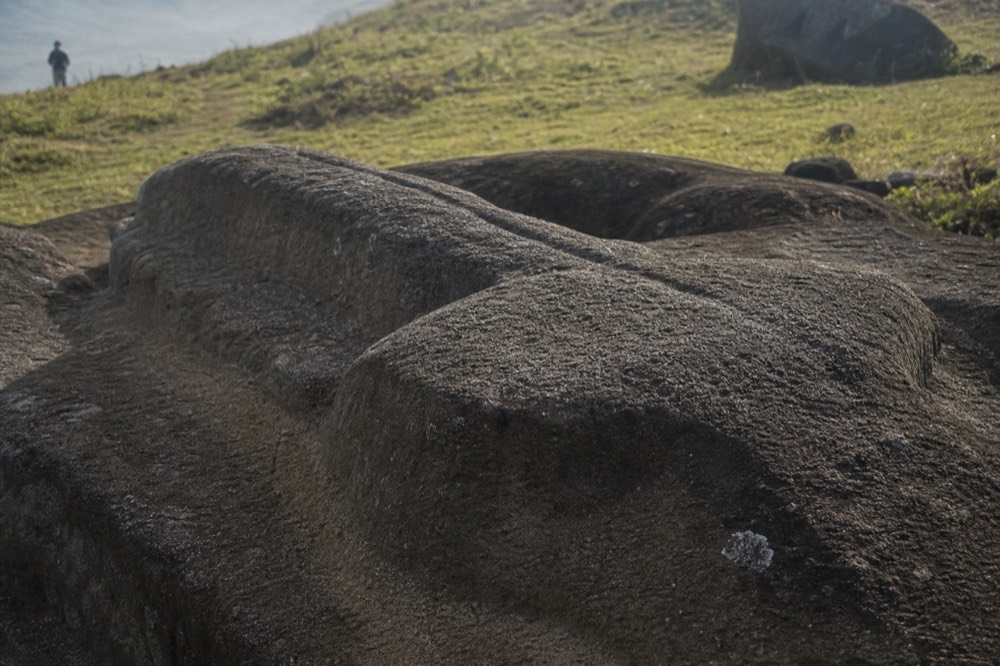
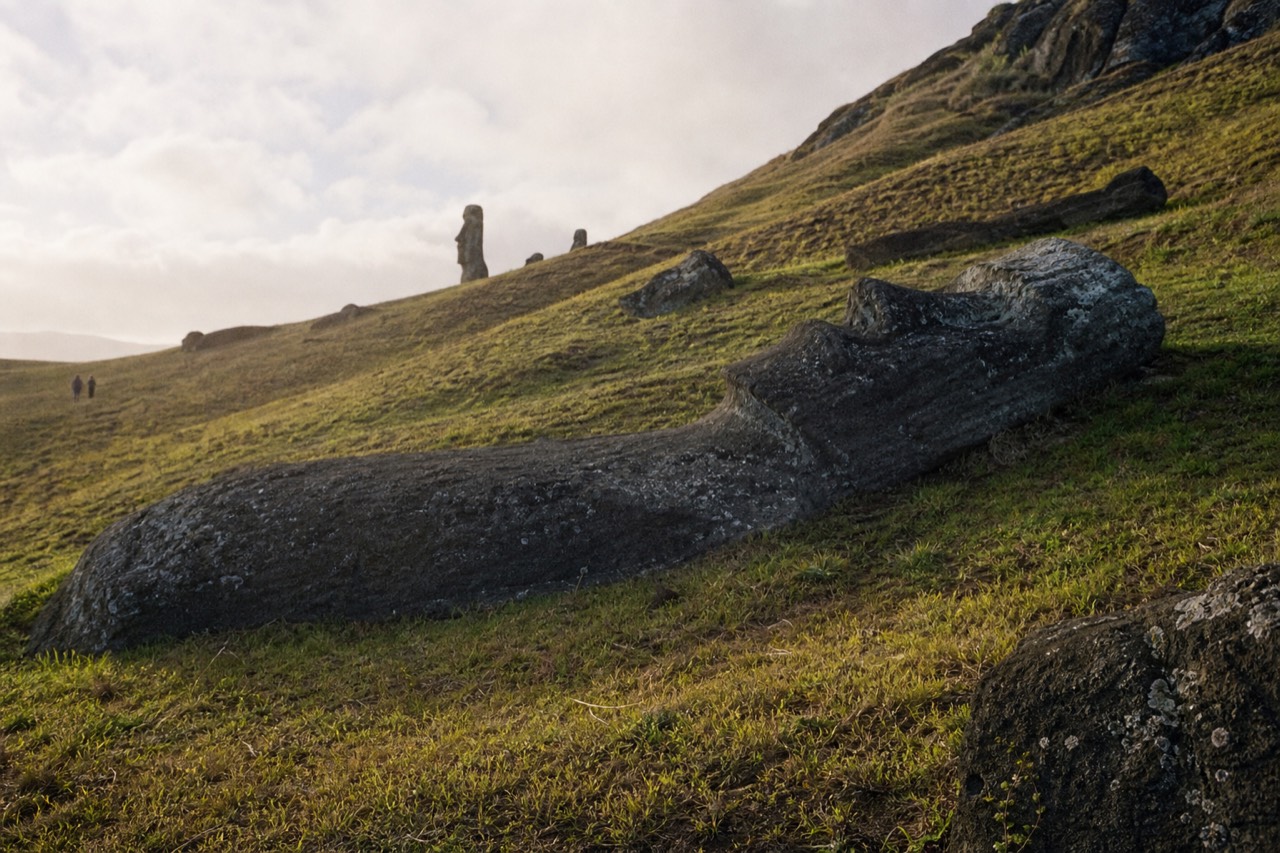
The classic circuit done properly: the toppled ahu of the south coast, the quarry at Rano Raraku where hundreds of moai still lie half-carved in the slope, the fifteen giants of Tongariki…
The most-booked package on the island, and the honest minimum to see it all: day one runs the south coast, the quarry, Tongariki and Anakena; day two climbs to Orongo on the crater rim of…
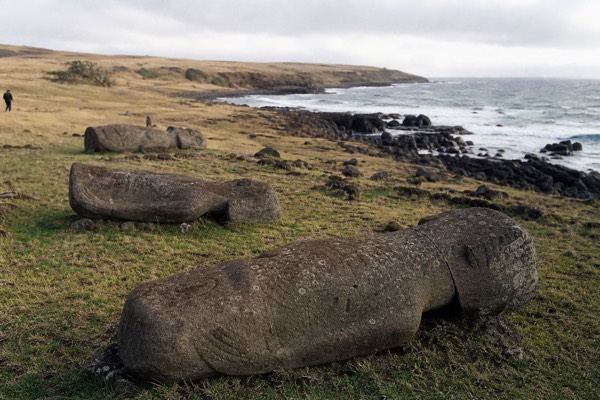
The same south-coast-to-Anakena arc at the lowest price on this site. Vaihu and Akahanga first, where the moai still lie face-down as the islanders left them, then the quarry, Tongariki and…
Seven private hours built around the archaeology: Akahanga's toppled giants, the quarry slope at Rano Raraku, Tongariki, Te Pito Kura's giant fallen moai, the largest ever raised on a…
A private vehicle, a certified guide, and the major ahu at whatever pace your group sets. Linger an hour at the quarry if that is your thing, skip what is not.
No tour matches that mix. Try a different length or style, or reset the filters.
Each button opens the operator's listing. Booking and payment happen there, on the platform's own page. Nothing is charged on this site.
Short answer
Guided days among the priced tours run $100 to $294 per person: a full-day from $100 to $219, the two-day from $170, the three-day from $250, private days from $240 to $294. Two costs sit on top: the flight from Santiago, and the Rapa Nui National Park ticket at $100, valid ten consecutive days. None of these tours includes that ticket. And because the park requires a guide accredited by Ma'u Henua, with no independent visits to the sites, a guided tour is simply how the island is seen.
Start with your arrival day and your departure day, not with the moai. LATAM flies the 5.5 hour route from Santiago several times a week, and most itineraries leave travellers with fewer full days on the island than they first counted. A trip that looks like five days can shrink to three once late arrivals and morning departures are stripped away.
That number decides everything. One full day covers the eastern circuit: the fallen ahu at Akahanga, two hours inside the Rano Raraku quarry where nearly all moai were carved, and the 15 restored statues of Ahu Tongariki, before ending at Anakena Beach. Two days add Orongo and the crater of Rano Kau, plus the Ana Te Pahu lava caves. Three days buy you a dedicated Tongariki sunrise.
Depth matters as much as count. Some visitors want the big sites photographed efficiently. Others want a guide who can read a quarry face, explain the birdman cult and pace the day without rushing. Both are legitimate, and the tours differ on exactly that axis: group size, hours at each stop and how much walking interpretation you get.
Price follows the same logic. Shared full-days start at $100 per person, two-day trips at $170, private days at $240 and up. The three paths below group the 13 tours that way, so begin by counting your days, then pick the path that matches.
If You Have One Day
One day means the eastern circuit, and it is genuinely enough to see the island's defining sites. The benchmark is the Full-Day Rapa Nui National Park Tour, 4.7 from 109 reviews, from $120 per person: Vaihu and Akahanga in short stops, two hours at Rano Raraku, two hours at Tongariki, then Te Pito Kura, Ahu Nau Nau and Anakena Beach across 8 to 9 hours, with hotel pickup and free cancellation up to 24 hours. Lunch is not included, and food at Anakena is cash only.
Cheaper and shorter, the Full-Day Moai & Mystery Tour, from $100, compresses much the same route into about 7 hours. At the other end, the Adventures in Rapa Nui small-group day at from $200 spreads about 6.5 unhurried hours over fewer stops in a boutique vehicle. A review of the full-day circuit from Yushy_Z in April 2026 sums up what a good single day delivers: "The trip did not feel rushed, there was adequate explanation, and overall was a lovely experience."
If You Have Two Or Three Days
Two days is the sweet spot for many visitors. The Easter Island Highlights 2-Day Tour is the most-reviewed listing here, 286 reviews, from $170, which works out to $85 a day. Beyond the eastern circuit it adds Orongo, the ceremonial village perched on the Rano Kau crater rim, and the Ana Te Pahu caves, with a personal lantern provided. The 3-Day Rapa Nui Tour + Tongariki Sunrise, from $250, layers a dawn outing at Tongariki on top of roughly a dozen sites including Ahu Akivi, Puna Pau and Vinapu, about $83 a day.
Check your flight times before booking either. A dawn start only works if you land the day before, and free cancellation windows differ: 24 hours on the two-day, three days on the three-day. The three-day operator sends route details by WhatsApp the day before.
If You Want A Private Guide
Private days run from $240 to $294 per person among the priced options, and they buy control: your pace, your questions, your stops. The Private Full-Day Archaeological Sites Tour from Kava Kava Tours carries a perfect 5.0 from 20 reviews, with two full hours at Rano Raraku and an optional lunch at $50. Green Island Tours' Private Full-Day Moai Monuments day, 4.9 from 29 reviews, needs a minimum of two people per booking. Several private options are not available to cruise-ship passengers. Compare them all on the private tours page, alongside the day tours and multi-day tours hubs.
The Easter Island Tours Visitors Book Most
The six tours below are ordered by review volume and by how many different trips they answer: a first day, a second day, a birdman cult day, a budget day and two specialist days. We have not ranked by our taste; the ordering reflects what travellers have actually booked and rated.
Honesty first. The most-reviewed listing here is the Easter Island Highlights 2-Day Tour, 286 reviews, rated 4.4. That score is solid but not stellar, and it is not a 4.9. Volume is not the same as delight, and we would rather you know that up front than discover it on the booking page.
The benchmark for a single day is the Full-Day Rapa Nui National Park Tour at 4.7 from 109 reviews. It is the listing we measure other day circuits against, because its timing at Rano Raraku and Tongariki, two hours each, is what lets a group actually absorb the sites rather than photograph them from a car park.
Around those two sit four other answers: a 6-hour Tangata Manu day for the birdman cult and caves, a $100 full-day for tight budgets, a boutique small-group day at 4.9, and a private moai-history day with unusually strong sub-ratings. Each card below shows the operator, the stops and the exact price where one is published.
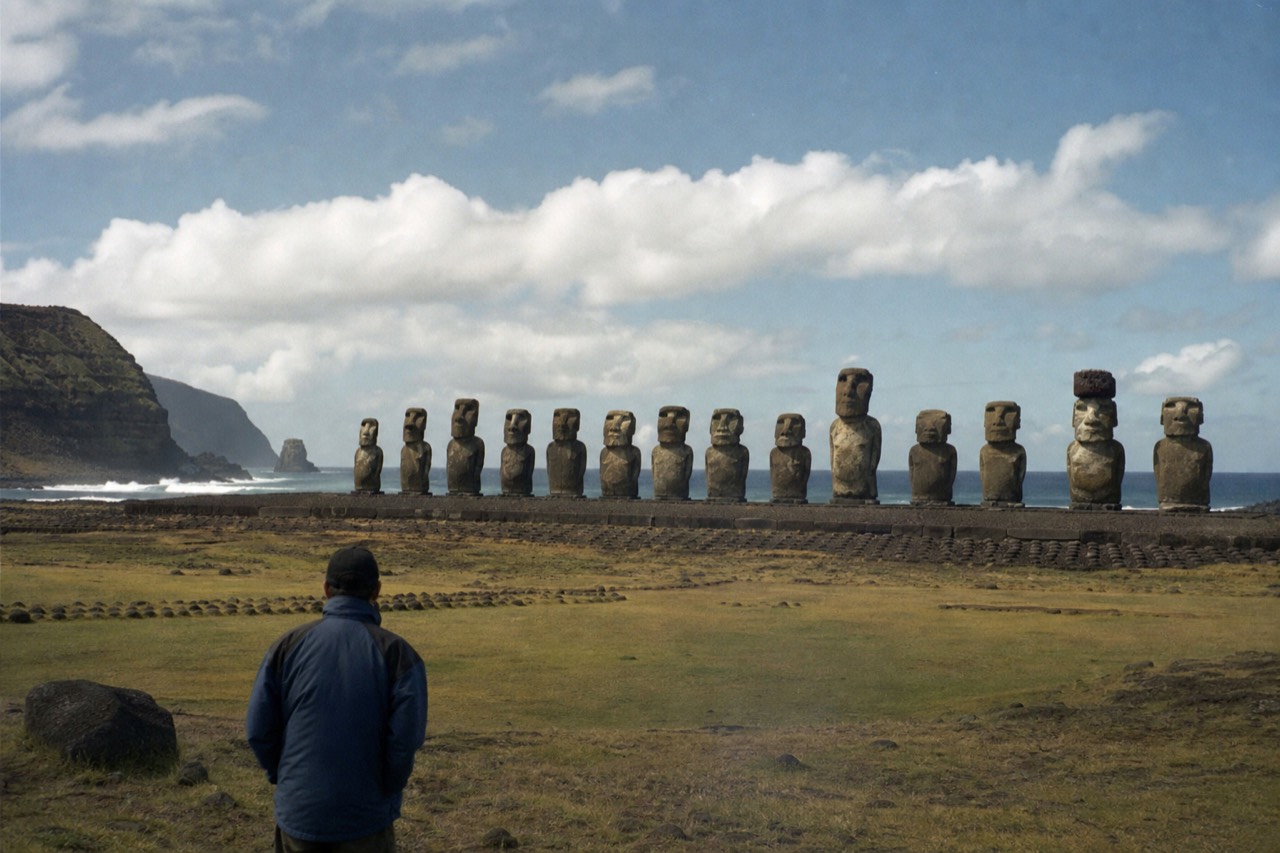
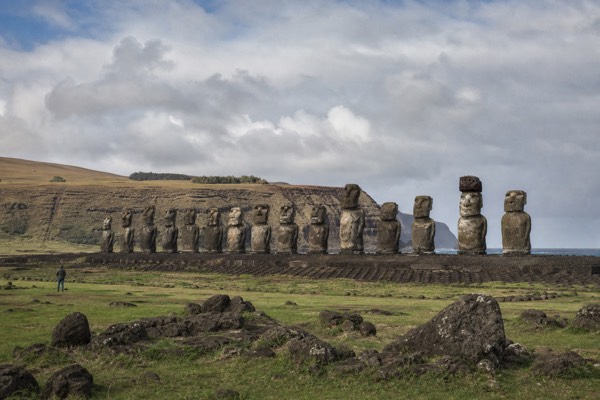
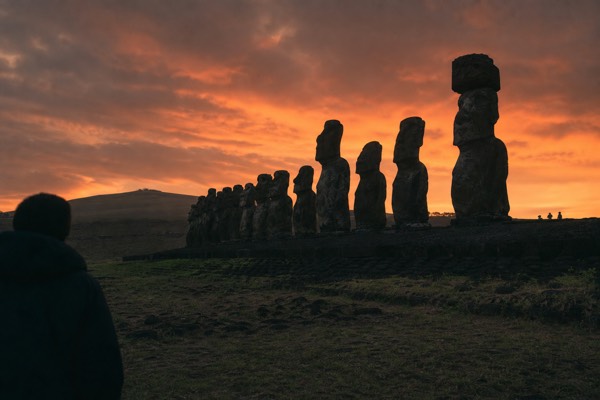
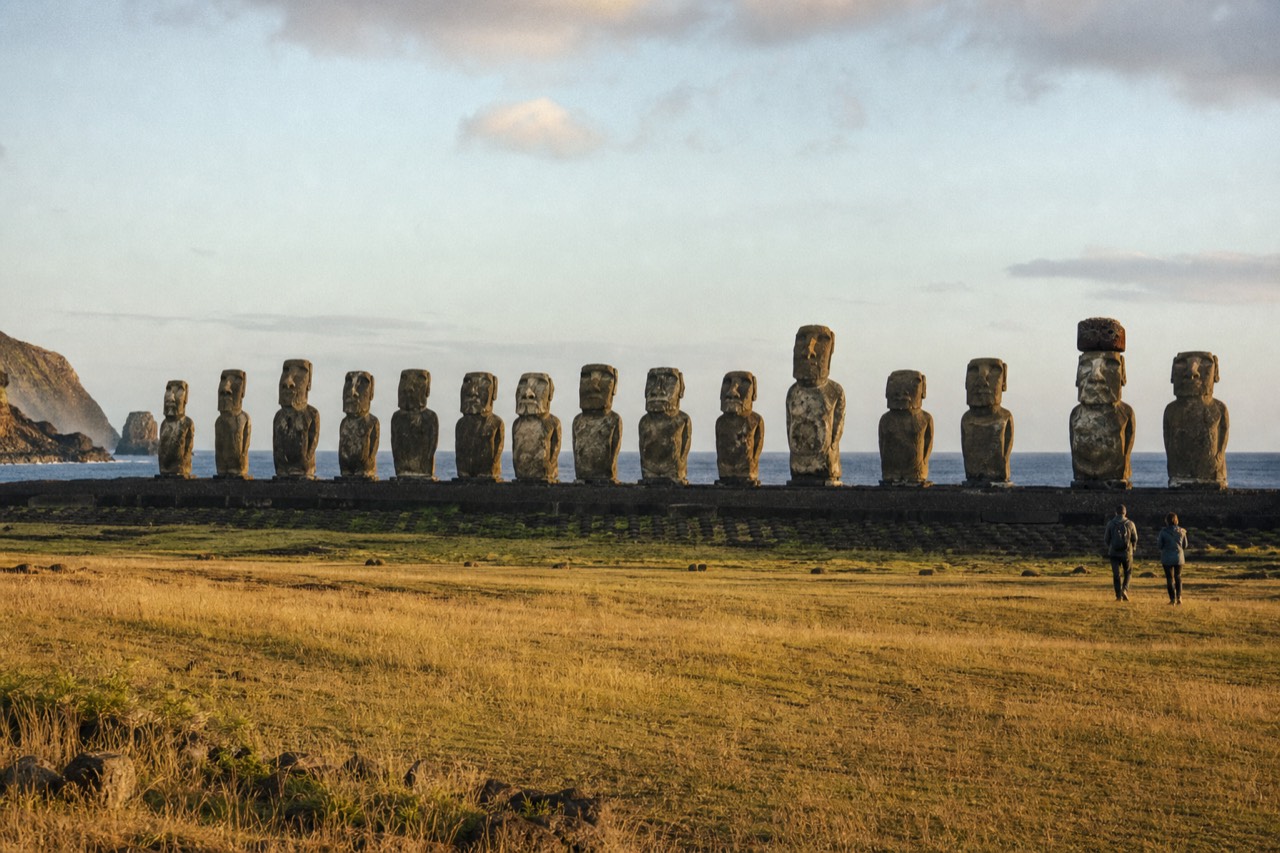
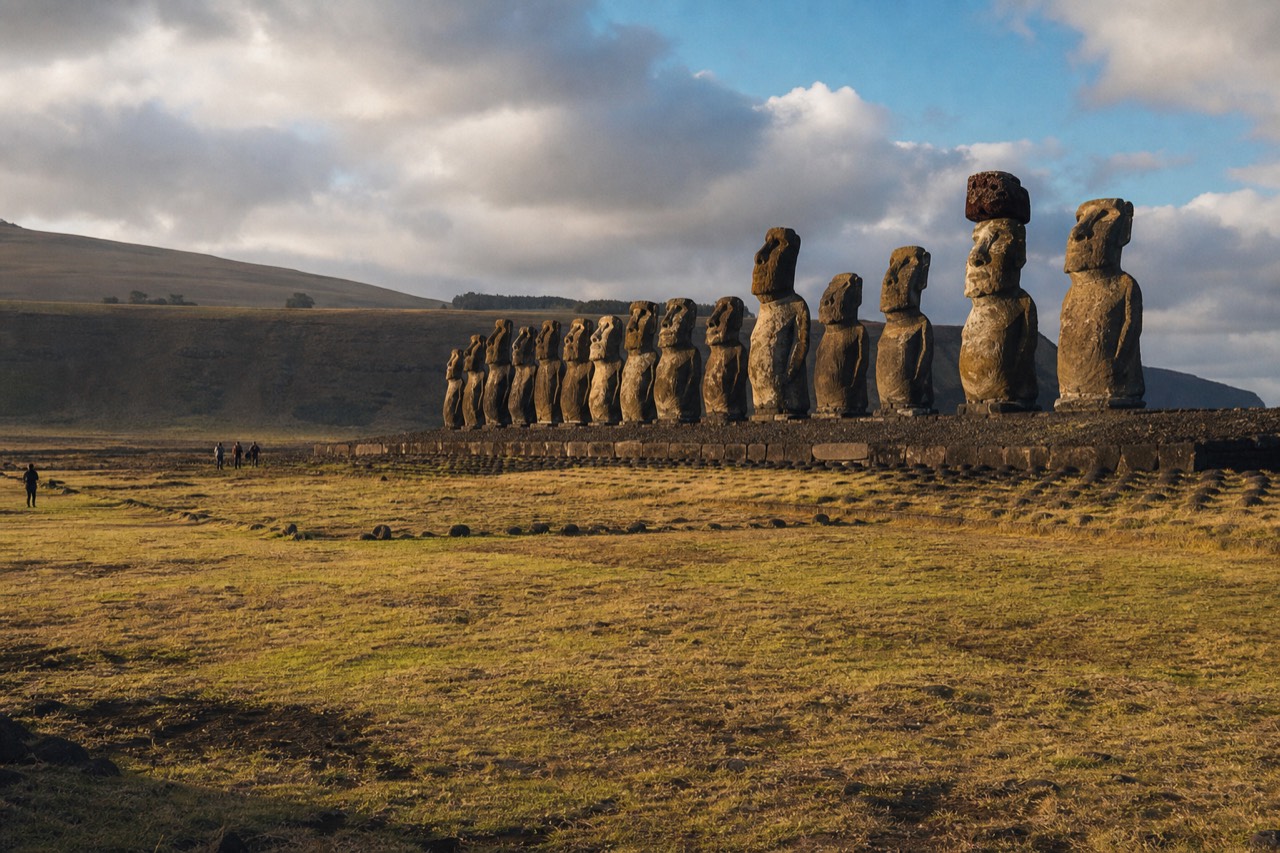
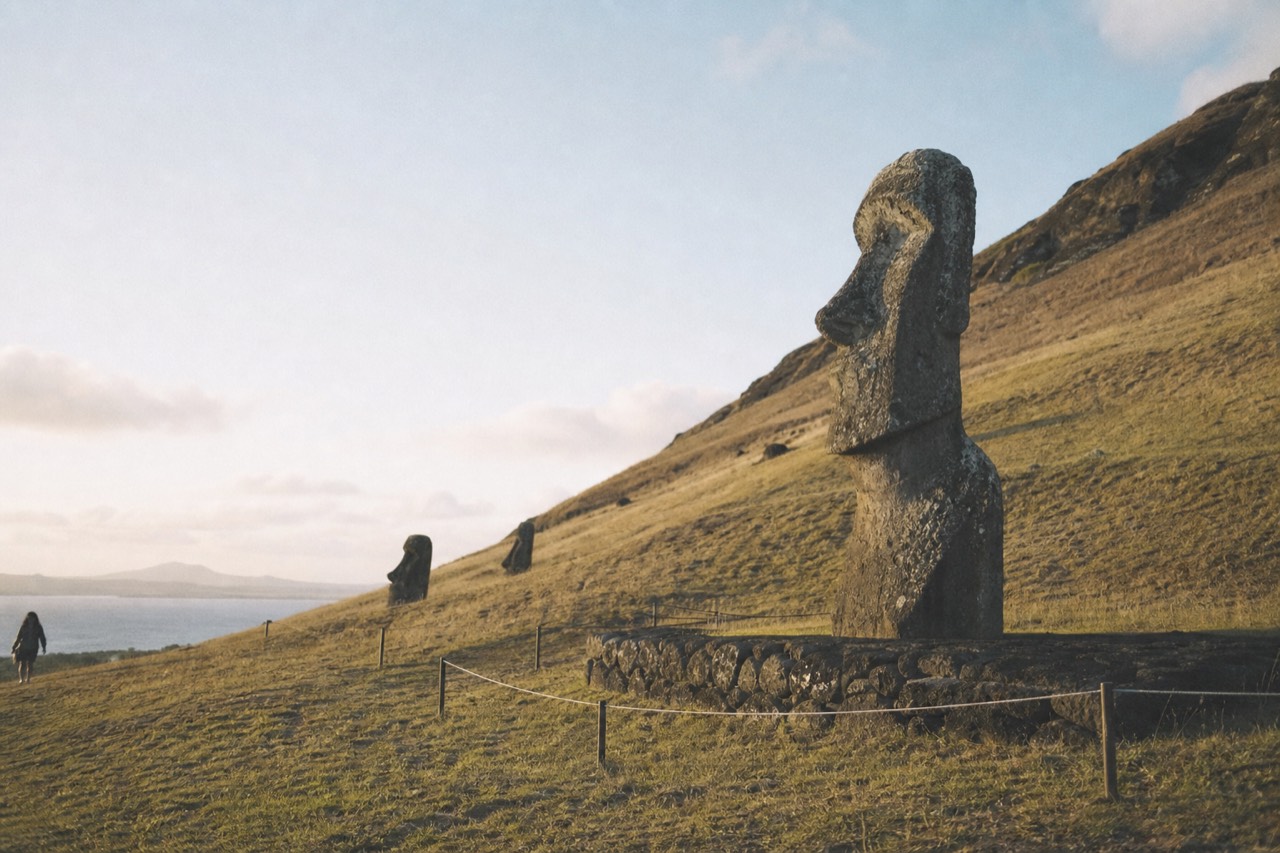
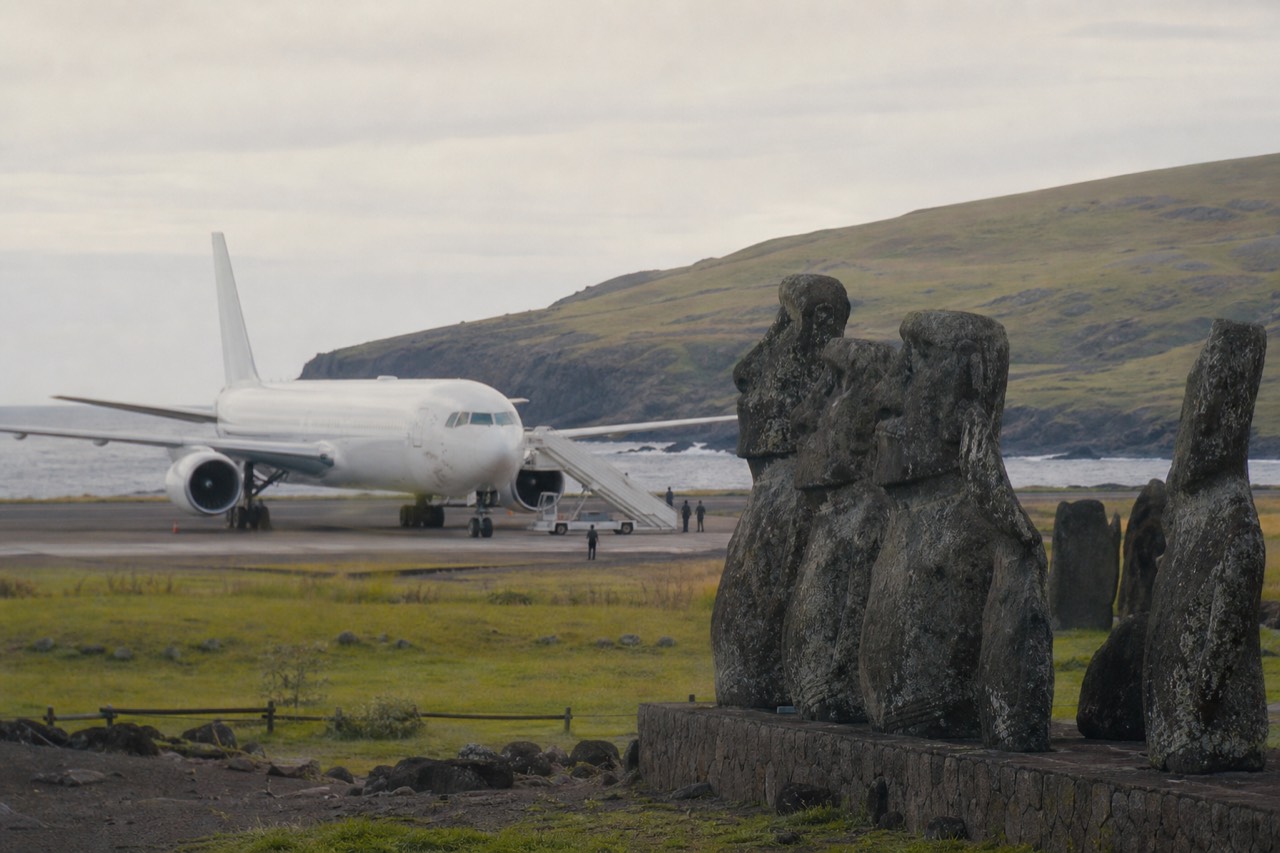
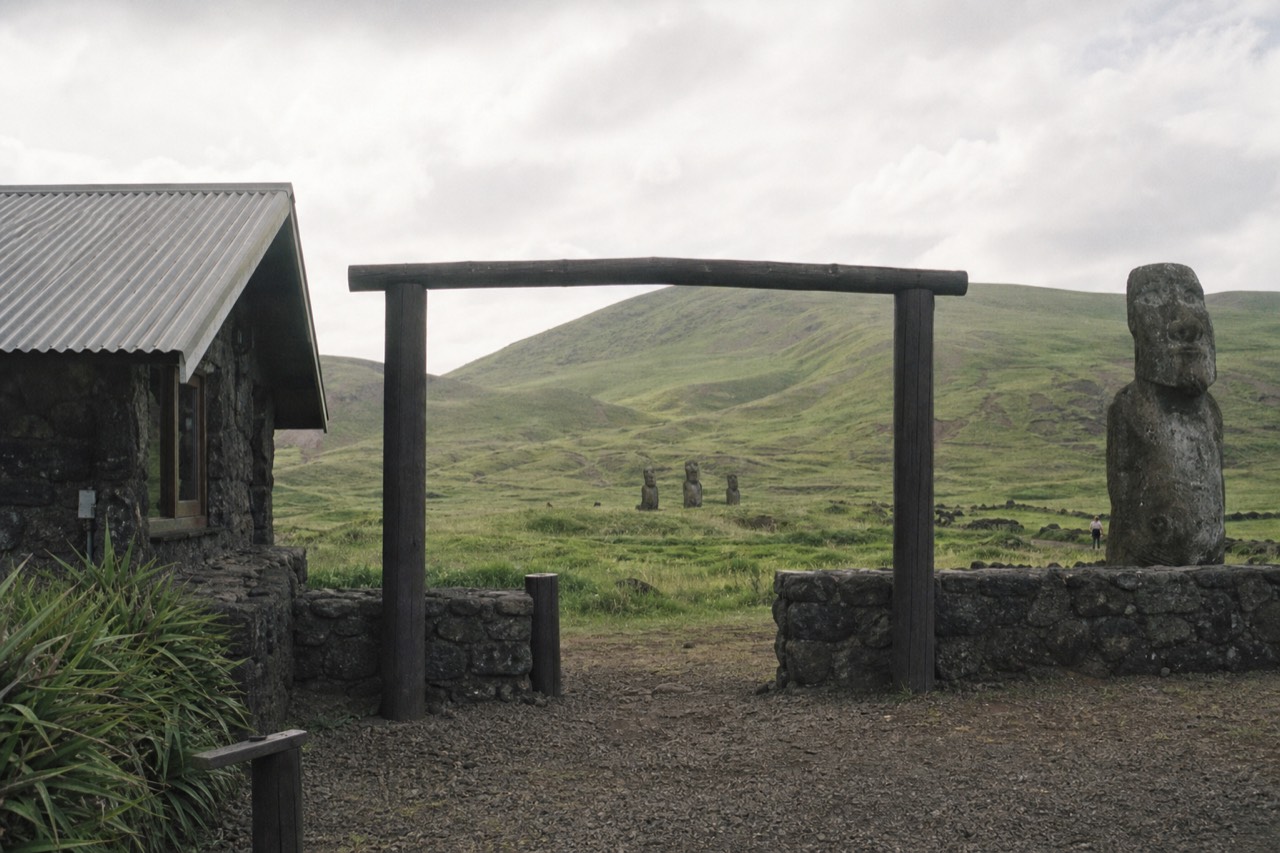
Ahu Tongariki, the benchmark stop on every single-day circuit.
How These Three Compare
The three listings answer different questions. The Full-Day Rapa Nui National Park Tour, 8 to 9 hours from $120, is the complete eastern circuit with hotel pickup and free cancellation up to 24 hours. Stops are long where they should be: two hours at Rano Raraku, two at Tongariki, then shorter stops at Te Pito Kura, Ahu Nau Nau and Anakena Beach. It meets near the Catholic church in Hanga Roa, and the operator sends route information by WhatsApp the day before.
The Easter Island Highlights 2-Day Tour, from $170, trades one long day for two moderate ones in a spacious minibus, adding Orongo and the Ana Te Pahu caves, lantern included, with English and Spanish guiding. Cancellation is also free up to 24 hours. One warning that trips people up: Rano Raraku and Orongo each allow a single entry per park ticket, so the two-day plan visits each of them once.
The Full-Day Tangata Manu day is the specialist of the three. It is the birdman story: the Orongo ceremonial village on the Rano Kau crater rim, the crater itself, and the Ana Te Pahu lava caves, in about 6 hours with guide and transport. Meals and the park ticket are not included. This listing shows no price here, so check the booking page for the current figure before comparing it against the other two.
Who Should Skip Them
Skip the single full-day if your knees or stamina object to a long, warm day: the eastern circuit is 8 to 9 hours on foot and vehicle with little shade at the platforms. Skip the 2-day if you only have one usable day, which happens often given flight timings. And skip the Tangata Manu day if you have already covered Orongo and the caves on a multi-day tour, since the entry rules mean you cannot revisit the site anyway.
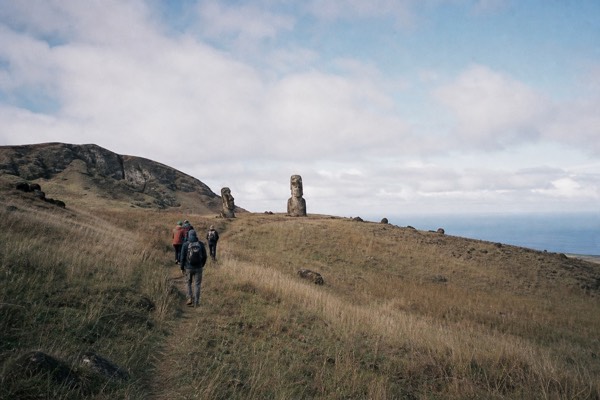
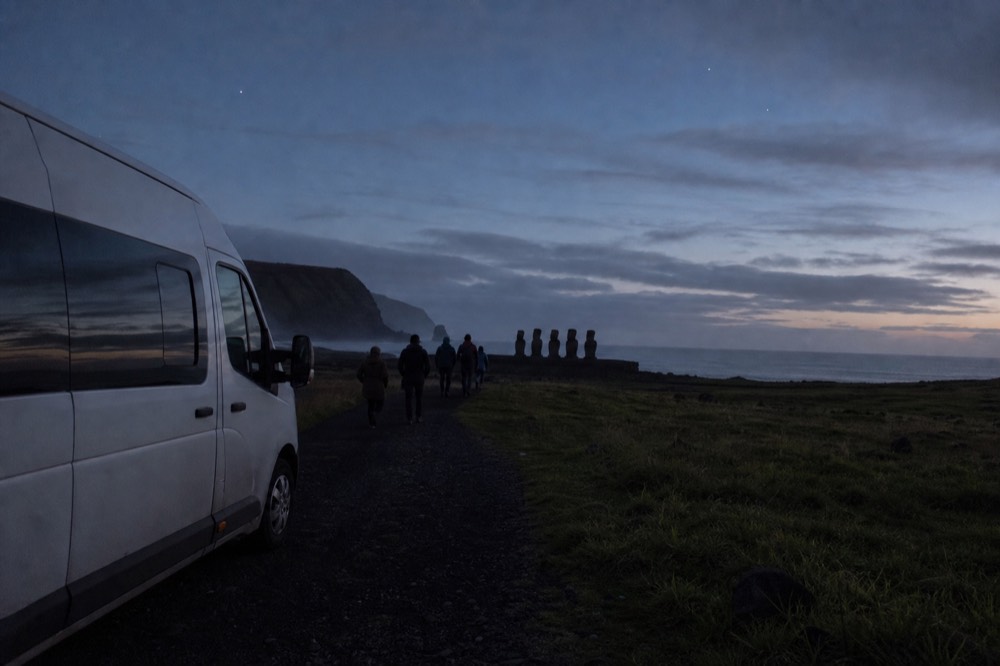
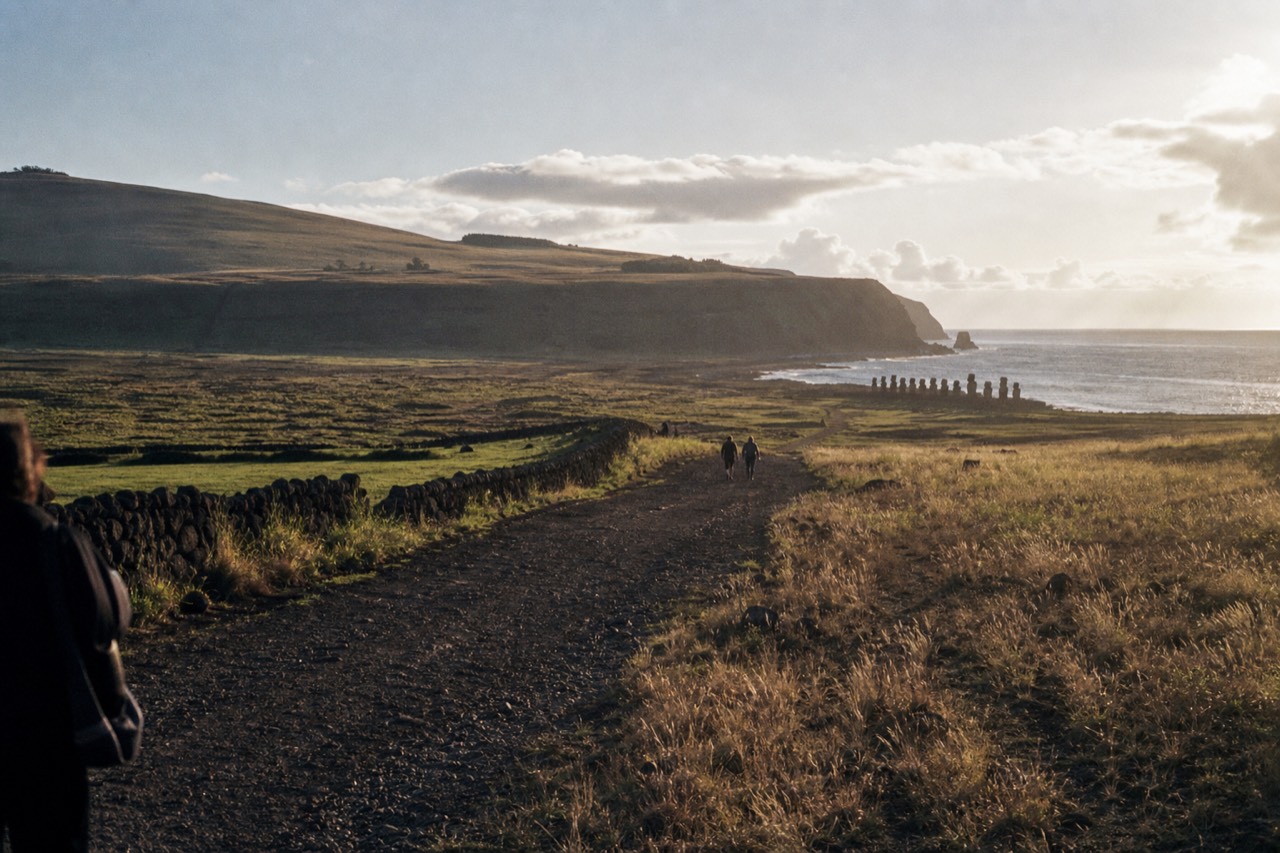
A shared day in practice: one van, one guide and a walk to the platform.
Budget, Boutique And Moai-History Days
The Full-Day Moai & Mystery Tour is the price floor of this whole site: from $100 per person for a full day, about 7 hours, with pickup, driver and guide in English and Spanish. It compresses Vaihu, Akahanga, Rano Raraku, Tongariki, Te Pito Kura and Anakena into one loop. Free cancellation up to 24 hours.
Adventures in Rapa Nui, from $200, is the opposite instinct. About 6.5 hours, fewer stops, an air-conditioned vehicle with an audio system, a certified guide, a professional driver and first-aid trained staff. It suits travellers who would rather understand five sites deeply than see seven quickly.
The Private History of the Moai Day, from $219 per person, is a full private day built around the carving story: Akahanga, Ahu One Makihi, two hours at Rano Raraku, 80 minutes at Tongariki, then Ovahe, Te Pito Kura and 100 minutes at Anakena. Bottled water is included, food and park entry are not.
What The Review Scores Tell You
Be careful with small samples. These three carry 25, 36 and 13 reviews respectively, so a 4.5 or 4.9 here is less settled than the same score on a listing with 100-plus reviews behind it. One bad week can move a small average; it barely dents a big one.
That said, the Kapua listing's sub-ratings are striking: guide, transport and value for money all score 5 out of 5. When every measured dimension is perfect across even 13 reviews, that is a signal worth weighing. Treat the headline scores as directional, and read a handful of recent reviews on the booking page before you commit.
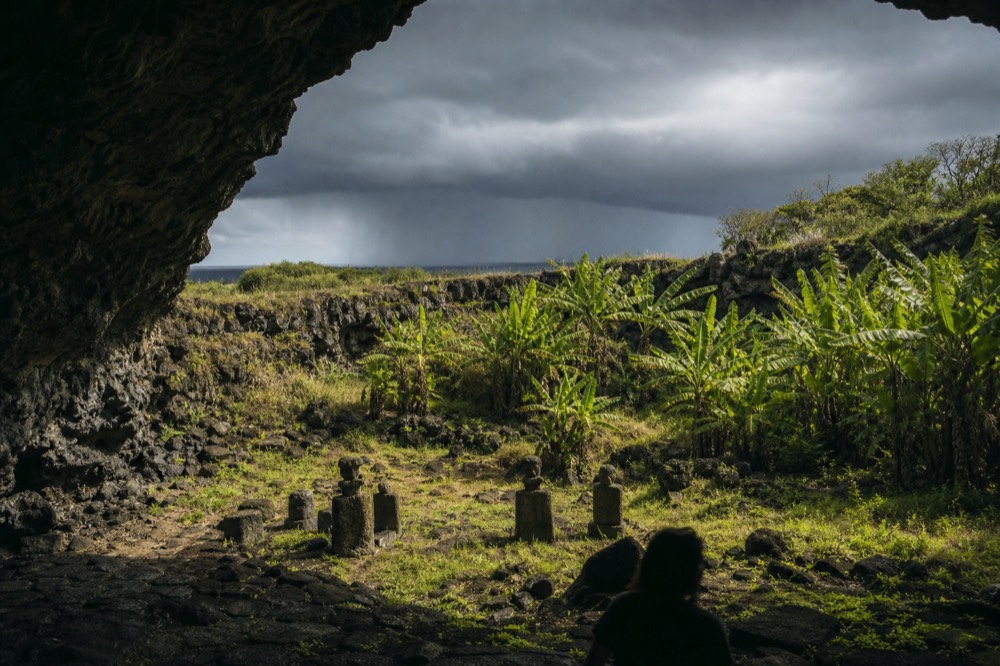
The Ana Te Pahu lava cave stop, on the Tangata Manu and 2-day tours.
What Travellers Say About These Tours
These reviews are copied word for word from the live listings, spelling and punctuation included. Together they show what the same tours feel like from the passenger seat: pacing, punctuality and how much a guide actually explains.
Great 1 day tour of Easter Island with all the main attractions included! The guide Andrej was fantastic. The trip did not feel rushed, there was adequate explanation, and overall was a lovely experience.
Yushy_Z · Apr 2026 · Full-Day Rapa Nui National Park Tour
I highly recommend Rapa Nui Dream as the company to do any and all tours on the island with! Our guide David was super informative and taught us a lot including personal stories of living and growing up on the island. The sights we saw covered all the highlights on that part of the island.
Michelle_L · May 2026 · Full-Day Rapa Nui National Park Tour
Dream is a great company! The guides are great and the 2.5 day is the perfect amount to see everything on the island without feeling rushed
Troy_M · Aug 2026 · 3-Day Rapa Nui Tour + Tongariki Sunrise
Well organized tour with lots of information about the Moai and Rapa Nui. Guides all three mornings were right on time, kept me informed the day before of meeting times and provided contact information.
This is a great way to see Rapa Nui and learn about it's history and culture. Our guide Tongariki (Tonga) was top notch. He knew the history and culture. They took us to the sites and really explained how the moais were made and how the people lived.
Randy_P · Mar 2026 · Full-Day Rapa Nui National Park Tour
Isa was an amazing guide and really helped us to understand the iland and it's history as well as the people living on it. We can highly recommend this tour to see all the main sites
Verbatim reviews from travellers who booked these tours through the listing platforms.
See The Island Before You Book
Three travellers filmed their own Easter Island trips and titled the results "3 Days on Easter Island, Chile", "Moai Sunrises and Stargazing" and "Moai at Sunrise and the Hidden Caves".
These videos are embedded for context only. This site earns nothing from them.
What Do Easter Island Tours Cost?
Among the priced tours, guided Easter Island days cost $100 to $294 per person. Full days run $100 to $219, the two-day from $170, the three-day from $250, private days $240 to $294, and the night stargazing session $140. All figures are from-prices per person in USD, taken from the operator listings.
Four things move the price. Days, obviously: more touring costs more in total but often less per day. Group size: private vehicles carry a premium over shared minibus circuits. A sunrise: the dedicated Tongariki dawn outing appears only on the three-day. And depth: tours that linger longer at fewer sites, or add specialists and equipment, sit at the top of the band.
What a price does not tell you is value per hour. The $100 day and the $294 private day visit some of the same platforms; the difference is who else is in the vehicle, how long you stand at Rano Raraku and whether the guide can answer the question you did not know you had. The table below lines up the five tiers side by side.
$100 to $294per person, guided days among the priced tours
$85 a daythe 2 days Highlights tour, from $170
$100park ticket on top of any tour, never included
$0$100$200$300$400
Full-day circuit
$100 to $200 per person
$100 to $200
Eight to nine hours through the south coast, the Rano Raraku quarry, Ahu Tongariki and Anakena Beach with a certified guide and hotel pickup. The $100 ticket is the budget seat; the $200 boutique version runs smaller groups with longer stops.
Multi-day package
$170 to $250 per person
$170 to $250
The island done properly. Two days cover both circuits including Orongo on the crater rim of Rano Kau; three days add a dedicated sunrise at Tongariki. Per day, the $170 two-day tour is the best arithmetic on the island.
Private full day
$240 to $294 per person
$240 to $294
Your own vehicle, a certified guide working only for your group, and the pace you set. The $294 archaeology day holds a straight five-star record across every review it has ever received.
Night sky session
$140 per person
$140
Three and a half hours with telescopes at a dark site out toward Anakena: the southern constellations explained, weather permitting, with hotel drop-off after. Clearest skies run April to October.
On top of any tour
$100 park ticket
$100
Every foreign adult pays the Rapa Nui National Park entrance once per stay: $100, valid ten consecutive days, bought online or on arrival. Rano Raraku and Orongo accept one entry each per ticket, which is worth planning around. Tours do not include it.
From-prices are per person in USD as read this month. Durations and terms come from the operator's listing, which is the authority for your date.
What Sits On Top Of The Tour Price
$100Park ticket per foreign adult, $40 per child, valid 10 days
$50Optional lunch on the Kava Kava private days, gratuities extra
$342 to $504Typical Santiago round trip on LATAM, before lodging
CashNeeded at Anakena and for taxis; Hanga Roa has two ATMs
Figures from the tour listings, the official park site and 2026 fare data, all per person.
What The Tour Price Does Not Cover
No tour on this site includes the Rapa Nui National Park ticket. Every person needs their own, bought online at the official park site: $100 for foreign adults, $40 for foreign children, valid 10 consecutive days. Rano Raraku and Orongo allow one entry each per ticket. The price rose from $80 to $100 on 1 October 2025, announced by the Ma'u Henua Indigenous community in May that year, and some operator listings still quote the old $80 figure in their exclusions text. The official price is $100, and our park ticket guide walks through the purchase.
Lunch is almost never included. The Kava Kava private listings offer an optional lunch at $50 per person, gratuities extra. On the three-day tour, food is sold at Anakena and Rano Raraku, cash only, which matters because the island's two ATMs in Hanga Roa can run dry at weekends and in high season. The flight from Santiago is the other big excluded cost: 2026 round trips typically $342 to $504, with January and July examples around $654 to $682, and booking about 10 weeks ahead historically saving around 27 percent against last-minute fares.
Price Per Day Of Touring
Per-day arithmetic favours the longer trips. The two-day at $170 works out to $85 a day. The three-day at $250 is about $83 a day, and it is the only listing that includes the Tongariki sunrise. Single full days range from $100 to $219.
Stack that against the ticket. A $100 park pass plus a $170 two-day tour is $270 per person for two days of guided access, before flights and lodging. The same pass plus a $294 private day is $394 for one deep day. Neither is wrong; they are different bets on how you want to spend scarce island time.
Three Sample Trip Budgets
$200BudgetFull-Day Moai & Mystery Tour plus the park ticket
$350Mid-Range3-Day Tour with the sunrise plus the park ticket
$444ComfortPrivate archaeology day, park ticket and optional lunch
Our trip cost guide budgets a 4-day trip from Santiago per person, flights included: about $1,200 to $1,600 on a budget, $1,800 to $3,200 mid-range, and $3,500 and up for comfort. On-island costs fill in the gaps: hostel dorms $23 to $47 a night, hotel doubles $45 to $200 plus, campsites $16 to $20. A mid-range dinner runs $20 to $40 per person. Getting around without a tour is not free either: taxis to far sites cost $20 to $30 each way, a scooter $35 to $50 a day, a car or 4WD $60 to $115.
Three sample builds show the spread. Budget: the Full-Day Moai & Mystery Tour at $100 plus the $100 park ticket totals $200. Mid-range stretches the stay: $250 for the 3-Day Rapa Nui Tour + Tongariki Sunrise, plus the same $100 ticket, lands at $350 across three days. Comfort goes private: the Private Full-Day Archaeological Sites Tour at $294, the $100 ticket and the $50 optional lunch total $444.
Each figure is the per-person total for guiding, ticket included, before flights and lodging. The same $100 ticket and the same park rules apply to all three, from the $100 day tour to the $294 private day.
How The Three Sample Builds Add Up, Per Person
Budget: Full-Day Moai & Mystery$200
$100$100
Mid-Range: 3-Day Tour With Sunrise$350
$250$100
Comfort: Private Archaeology Day$444
$294$100$50
Tour
Park ticket
Optional lunch
Bars share one scale. Flights and lodging are not included.
Latest Data, November 2026
The table below lists all 13 tours this site tracks, with the rating, review count and from-price read from the live operator listings. These are the platforms' own figures.
All prices are per-person from-prices in USD, and none of them includes the national park ticket. Three tours in the table carry no verified price this month, so for those the booking page is the authority on what you will actually pay.
13tours trackedrating, reviews and price read from the live listings
1,178listing reviews in total
286reviews on the most-reviewed tourEaster Island Highlights: 2-Day Tour
$100 to $294per person, priced tourspark ticket not included
$100Rapa Nui National Park ticketforeign adults, official price
What The Numbers Say Right Now
The Rapa Nui National Park ticket rose from $80 to $100 for foreign adults on 1 October 2025. Some operator listings still quote the old $80 figure in their exclusions text.
Between them, the 13 tours carry 1,178 listing reviews.
The 2-day Easter Island Highlights tour is the most-reviewed listing here, with 286 reviews.
The highest rating belongs to the Private Full-Day Archaeological Sites Tour at 5.0 from 20 reviews, while the largest high-rating samples are the 112-review and 118-review private listings, both at 4.9.
LATAM round trips from Santiago typically run $342 to $504 in 2026, and booking about ten weeks ahead has saved about 27 percent against last-minute fares.
The Tapati Rapa Nui festival runs 30 January to 12 February 2027, its 59th edition. Accommodation gets scarce and expensive, so book early.
How To Read These Numbers
A 4.7 from 159 reviews tells you more than a 5.0 from three. Weight matters: a 4.4 across 286 travellers suggests a dependable, well-run operation that occasionally misses, while a perfect score on a small sample can simply mean few people have booked yet. When two tours tie on rating, the review count breaks it.
On price, the spread among the tours with verified prices runs from $100 to $294 per person. The $100 Full-Day Moai & Mystery Tour is the cheapest full day listed, and the private archaeology day at $294 is the most expensive. The gap buys a private vehicle, a schedule that bends to your pace, and stops timed to your interests rather than a group's average.
Per-day arithmetic helps on the multi-day options. The 2-day at $170 works out to $85 a day, and the 3-day at $250 to about $83, both undercutting most single full days, and the 3-day adds the Tongariki sunrise. Check what is excluded, above all the park ticket, before comparing anything.
Each dot is one tour. Small samples swing; big ones settle.
Sunrise At Tongariki, Then The Night Sky
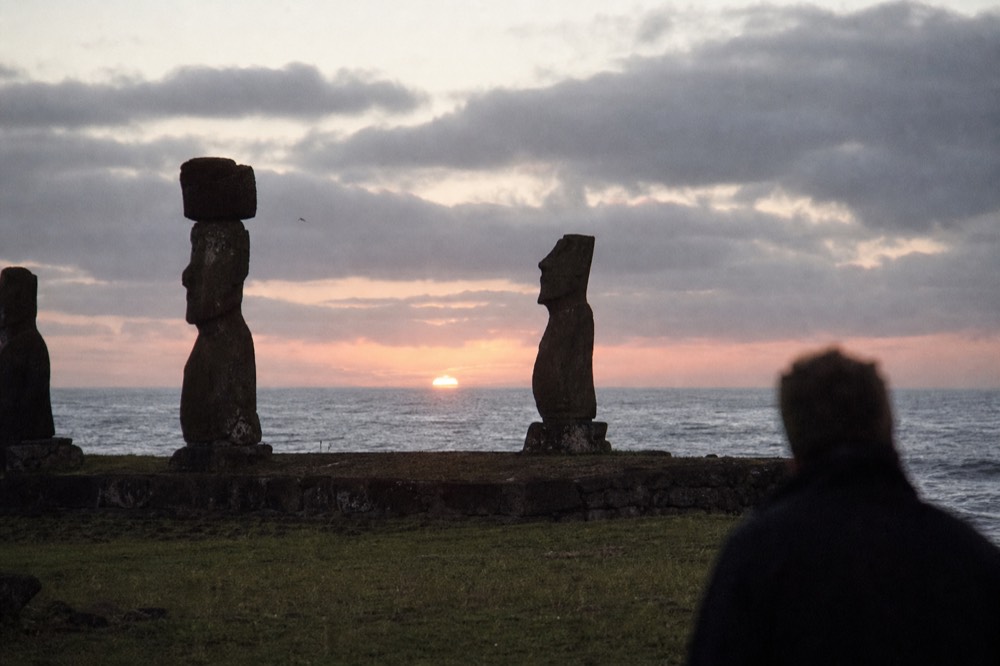
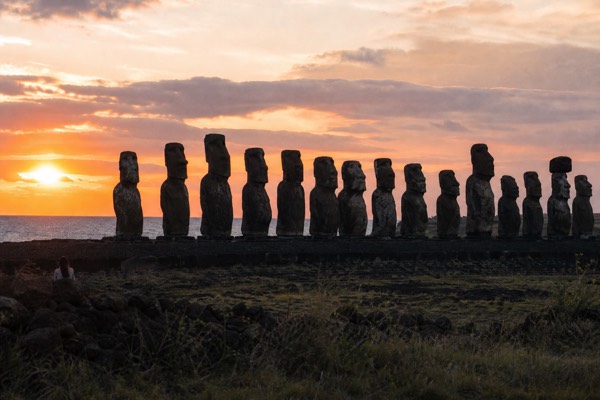
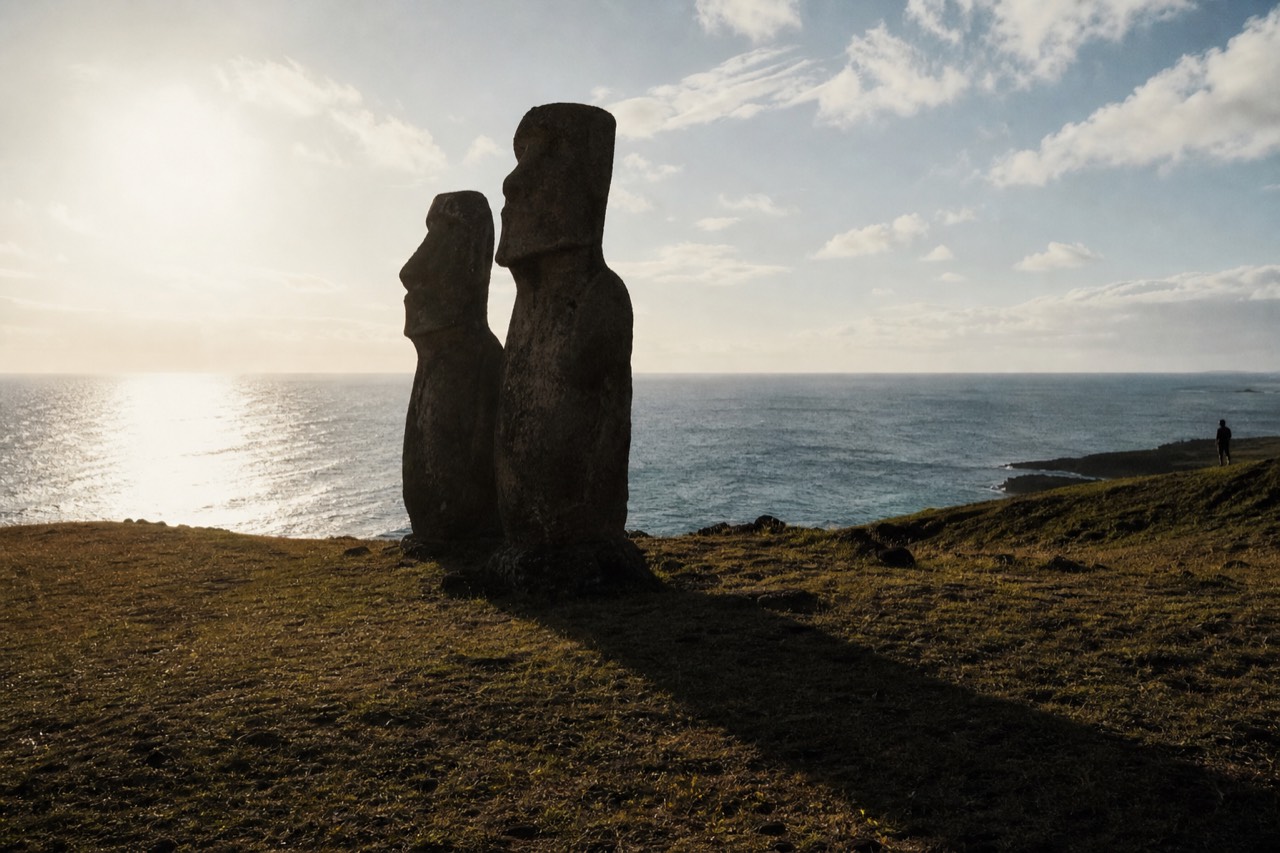
Sunrise behind Ahu Tongariki lands between about 6:30 AM in the December to February summer and about 7:30 AM in June to August. The site is reported to open at 6:00 AM for dawn visitors, though the official park source does not publish confirmed hours for individual sites. Fifteen moai stand on the platform, the largest ahu on the island, restored in the 1990s with Japanese support after a tsunami had displaced the statues.
The Dawn Outing On The 3-Day Tour
The 3-Day Rapa Nui Tour + Tongariki Sunrise, rated 4.7 from 159 reviews and priced from $250 per person, is the listing here that dedicates a morning to the dawn. Day one covers Te Pito Kura, the Rano Raraku quarry, Tongariki, Vaihu, Akahanga, Ahu Nau Nau and Anakena. A full-day explore then adds Orongo, Ahu Akivi, Vinapu, Puna Pau, Ahu Huri a Urenga, Ahu Tahai and the Rano Kau crater.
Route information arrives the day before by WhatsApp, so the plan for the early morning is settled in advance. Food is not included, and it is sold at Anakena and Rano Raraku for cash only, so carry bills. The operator flags moderate fitness as a requirement. Troy_M, who took the tour in August 2026, wrote: "Dream is a great company! The guides are great and the 2.5 day is the perfect amount to see everything on the island without feeling rushed"
Dressing For The Wind
Trade winds blow constantly off the open Pacific, and the platforms have almost no shade. Highs reach 27 to 28 C in February and lows fall to 15 to 17 C in August, and the wind off the open ocean makes early mornings and evenings feel cooler than the numbers suggest. Rain falls year-round, so a shell layer earns its place in your day bag.
Layers solve this. A warm midlayer under a windproof jacket, long trousers, and something for your head. You can peel items off as the sun climbs. This is the same advice the stargazing night asks for, and for the same reason.
The Stargazing Night
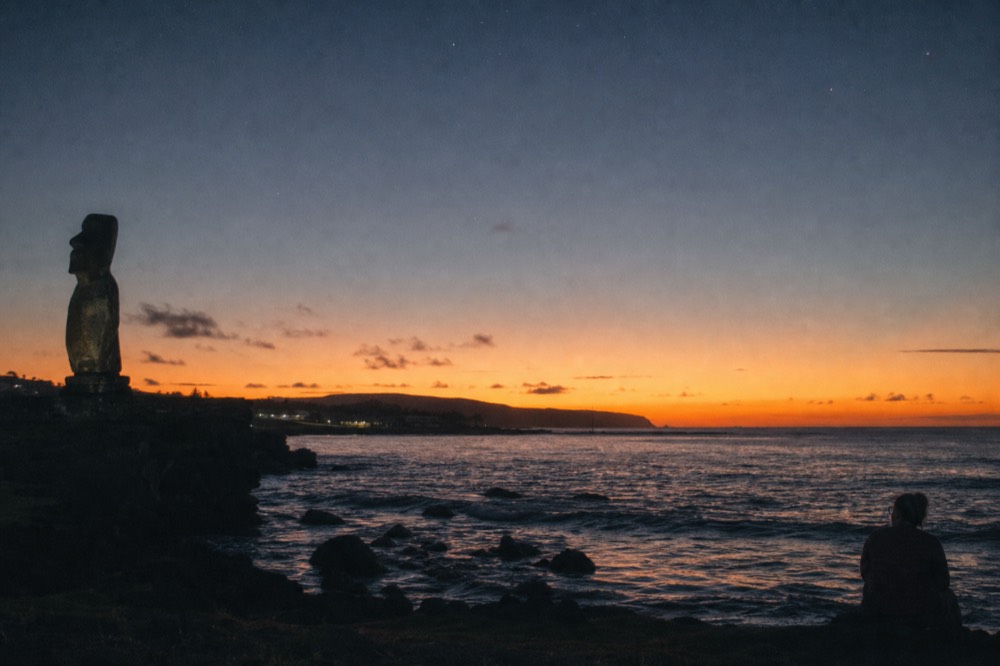
The Rapa Nui Stargazing Night, 4.5 from 64 reviews and from $140 per person, runs about 3.5 hours in a small group capped at 12. It meets in front of the Katipare library in Hanga Roa and ends with hotel drop-off. Sessions start about 8:30 to 9:00 PM from September to April.
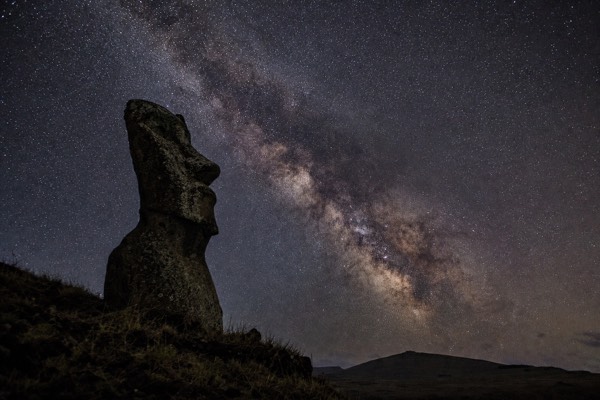
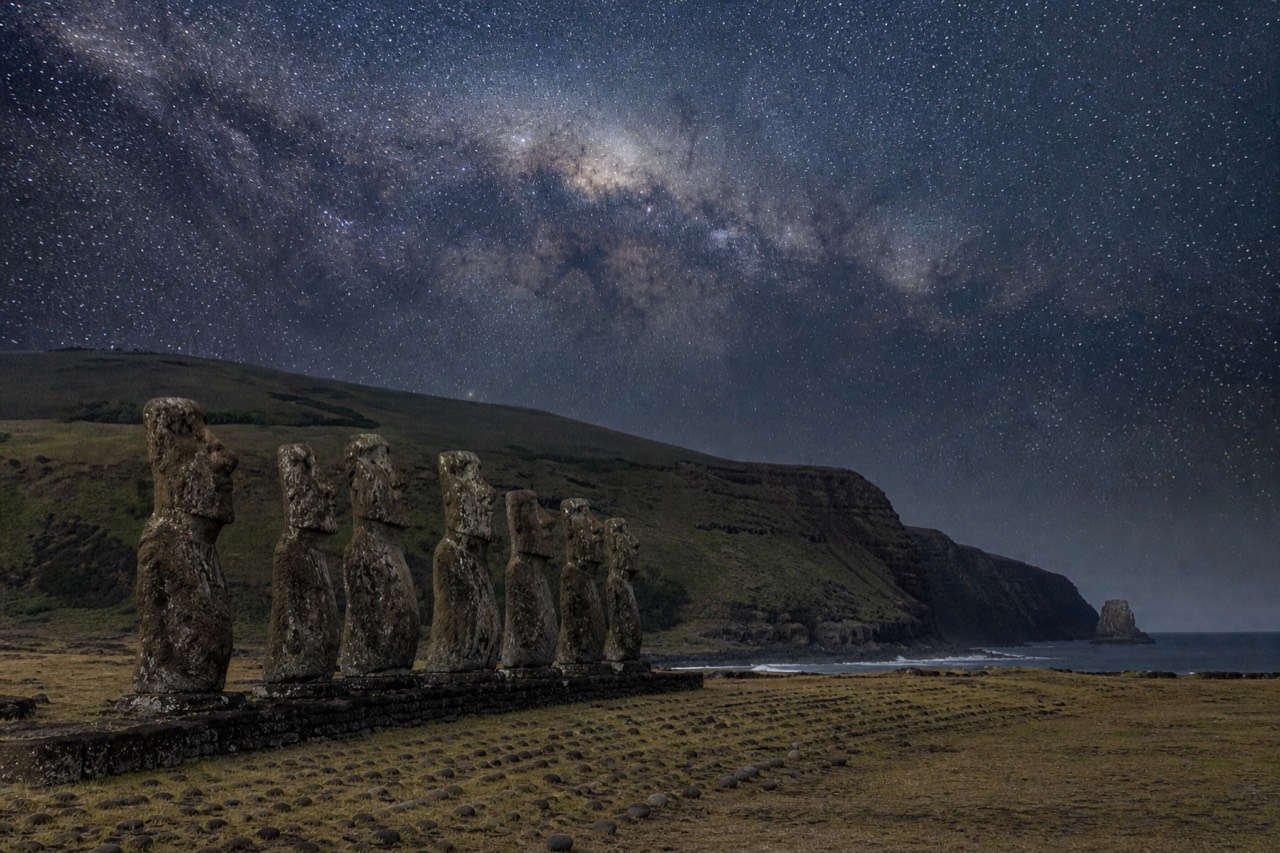
Telescopes are provided, and a driver-guide gives live commentary that includes Polynesian navigation history: how island wayfinders read the same southern-hemisphere constellations you will be looking at. The island sits 2,200 miles from the nearest city lights, so light pollution is almost nil and the Milky Way is a naked-eye object. Darkest skies fall around the new moon, and the clearest skies run April to October.
Two cautions. The night is weather-dependent, and once the tour starts there is no refund, so check the sky before departure. Cancellation is free up to 24 hours before. Our fuller write-up lives at the stargazing guide.
Pairing The Two
A dawn start and a night session cannot share a day, and should not. Put them on different days with a recovery day between, or at least a lazy afternoon. A sample rhythm: day one the full-day south and east circuit, day two the sunrise outing plus Orongo, day three free until the 8:30 PM stargazing meet.
If your trip is short, choose the sunrise. The angle of the sun behind the moai shifts through the year, so no two visits frame the same shot.
About 6:30 to 7:30 AM sunrise at Tongariki
About 8:30 to 9:00 PM stargazing meet, September to April
Which Moai Sites Do The Tours Cover?
Easter Island is a triangle roughly 15 miles across, with one town, Hanga Roa. Every tour starts there, which is why the island's tours divide so cleanly into two arcs: the south and east coast circuit that carries the quarry and the great platforms, and the west and south loop that takes in Orongo, Puna Pau and the crater of Rano Kau.
The scale of what is out there explains the stops. About 1,000 moai have been inventoried island-wide, the Easter Island Statue Project having catalogued 1,040 monolithic sculptures, and around 300 ceremonial platforms, ahu, stand across the island. A single day can cover the headline sites of one arc. Two days cover both.
Use the map and the six-stop timeline below to see how the itineraries overlap, and where they diverge. The differences matter more than the similarities when you are choosing.
Which sites each tour lists, from the tour listings
A tick means the tour's own listing names that stop. Stargazing and snorkelling are left out: neither visits the moai sites.
Every tour starts in Hanga Roa, the island's only town, before heading out along the coastal circuits. Drag and zoom the map to explore. Every tour on this site starts in Hanga Roa.
1
Hanga Roa And Tahai
The only town, home to every hotel and the harbor, with the restored Tahai complex at walking distance on its northern edge. Tours pick up here; sunset over the Tahai moai is the free evening ritual.
2
The South Coast: Vaihu And Akahanga
The unrestored platforms where toppled moai still lie face-down as the island's civil conflicts left them centuries ago. Most full-day circuits start here, and the contrast sets up everything that follows.
3
Rano Raraku, The Quarry
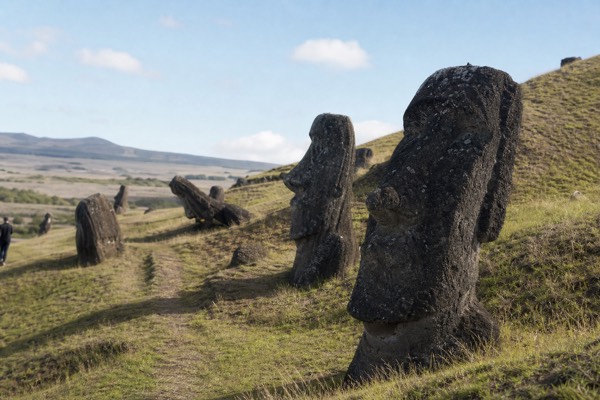
The volcanic slope where nearly every moai on the island was carved, with hundreds still in place: standing to their shoulders in soil, lying half-finished in the rock. Single-entry per park ticket, so it belongs inside a guided day, done once and done right.
4
Ahu Tongariki
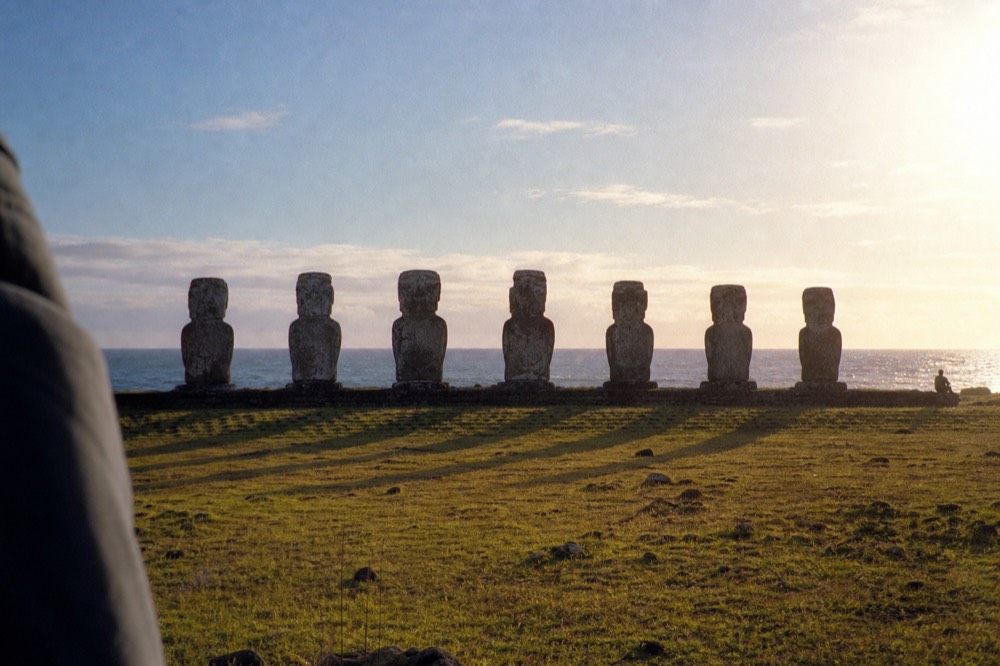
Fifteen moai on the island's grandest platform, a short hop from the quarry. The sunrise site. Restored through the 1990s after a tsunami had scattered the statues inland.
5
Te Pito Kura And Anakena
The north-coast pair: the largest moai ever raised on a platform, now fallen, and then the white-sand beach with palms and two ahu where Polynesian settlers are said to have first landed. Full-day tours end here for a reason.
6
Rano Kau And Orongo
The southwestern volcano: a mile-wide crater lake, and the stone village on its rim where the birdman competition was held. Also single-entry, and the centerpiece of every second day on the island.
An unfinished moai still joined to the bedrock.
Rano Raraku, Where The Moai Were Carved
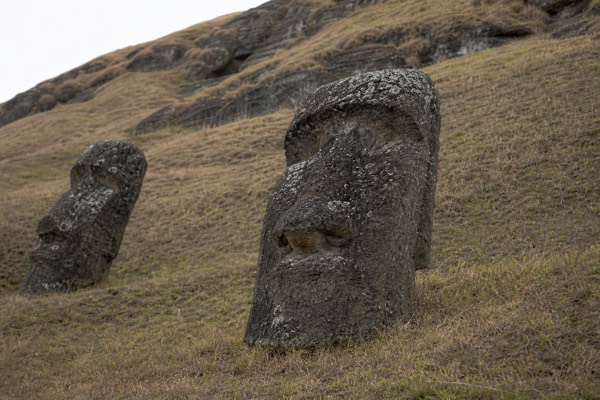
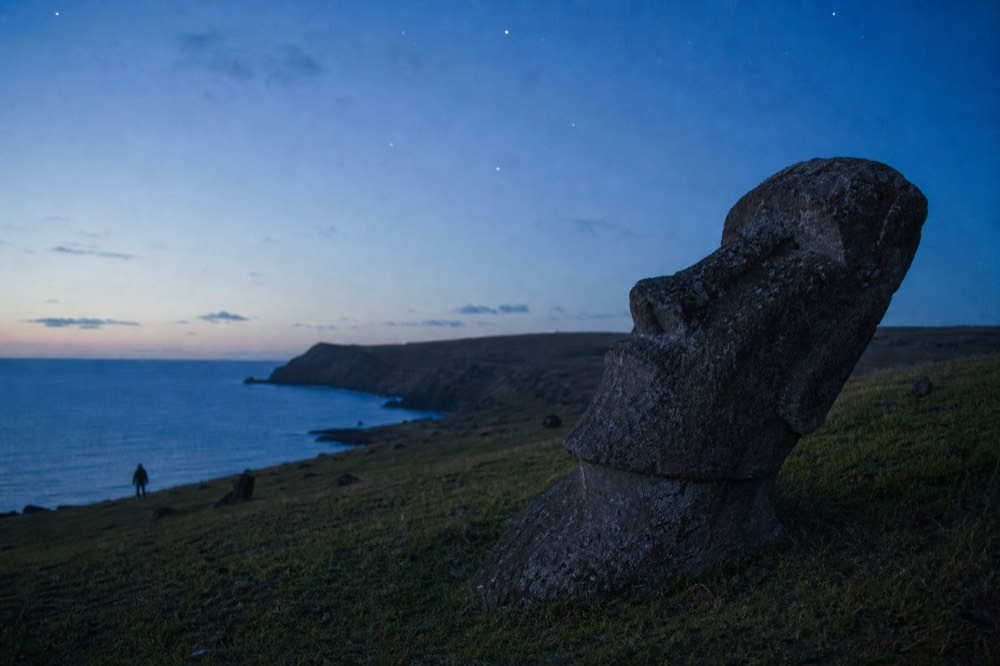
Nearly every moai on the island was carved at Rano Raraku, and hundreds remain in and around the quarry, frozen at every stage of production. Your park ticket allows one entry only, so a tour that gives the site two hours, as the Full-Day Rapa Nui National Park Tour does, is doing you a favour. A rushed 40 minutes here sells the island short.
The quarry also carries recent scars. The October 2022 wildfire charred and cracked around 80 moai, and Ma'u Henua began physical conservation in May 2025 on five of the most damaged statues, working with University of Florence restorers. The work is ongoing. Treat the ropes as hard boundaries; they are enforced.
Ahu Tongariki, The Big Platform
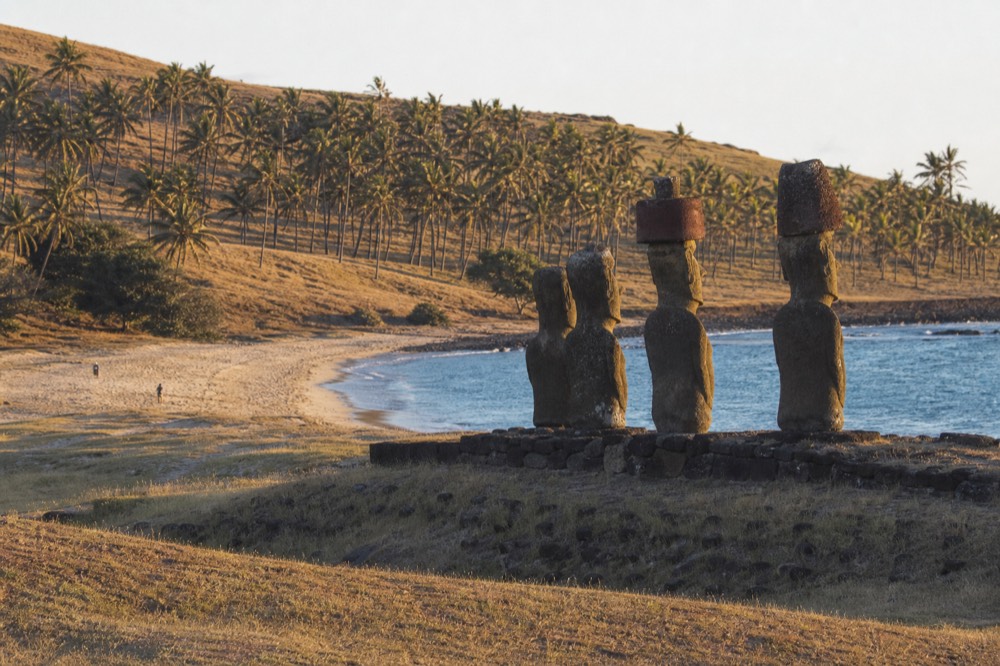
Fifteen moai stand on Ahu Tongariki, the largest ahu on the island, the tallest of them about 9 m. A tsunami toppled and swept the statues inland, and the restoration of the 1990s, with Japanese support, put them back on the platform. Tours typically give it one to two hours, and the sunrise angle shifts through the year.
Anakena And Te Pito Kura
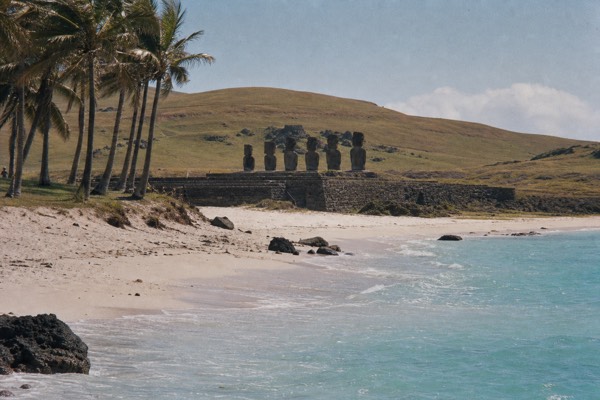
Anakena is the island's main beach, with restaurants, vendors, kiosks and picnic areas, and Ahu Nau Nau and its moai right on the sand. The palms were planted in 1960, so the postcard grove is younger than it looks. Sea temperature at Anakena runs about 25 to 27 C in early March and about 20.5 C in late August. Bring cash: food stops here are cash only, as at Rano Raraku.
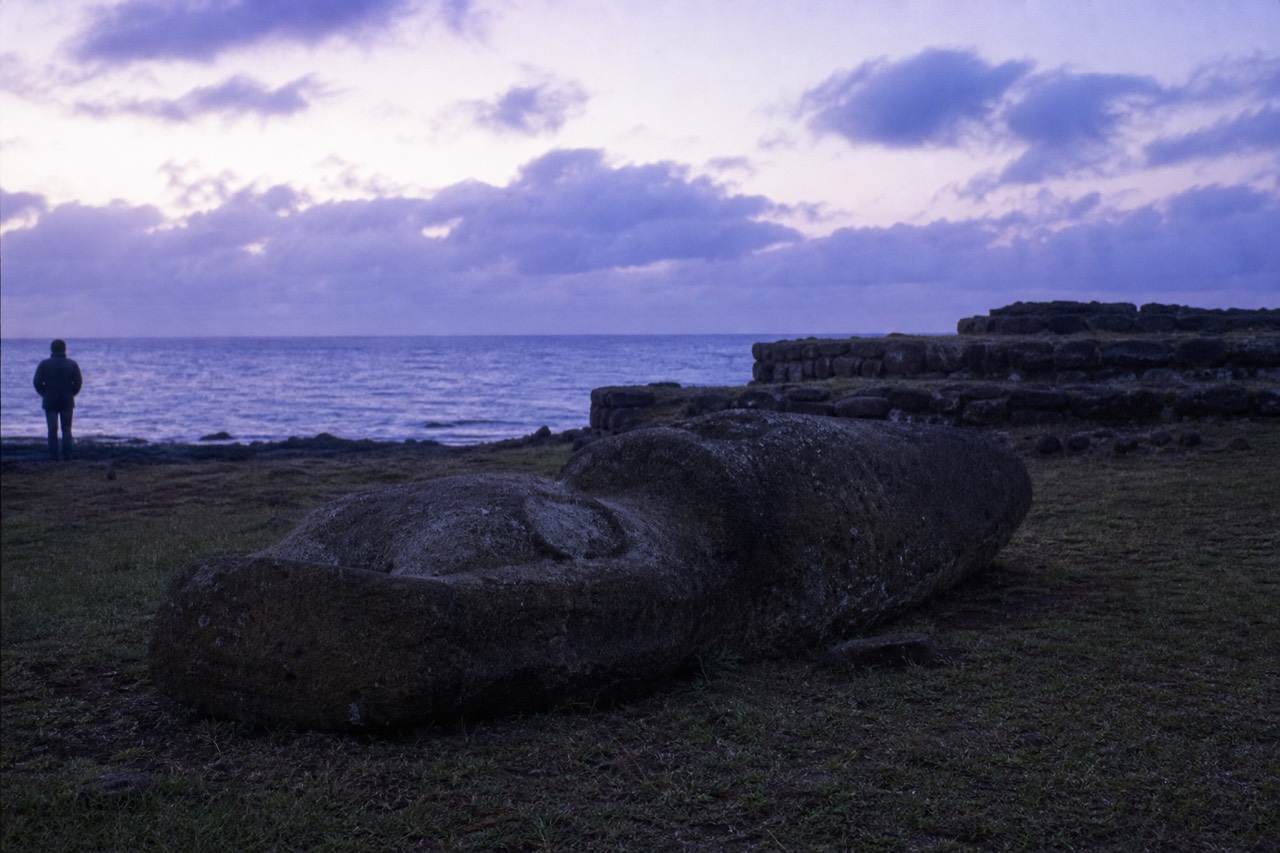
Just along the coast, Ahu Te Pito Kura holds a fallen moai said to be the largest ever raised on a platform. Most tours give it 30 minutes to an hour, enough to read the site with a guide who can explain what the fall itself meant.
Orongo, Rano Kau And The Birdman Village
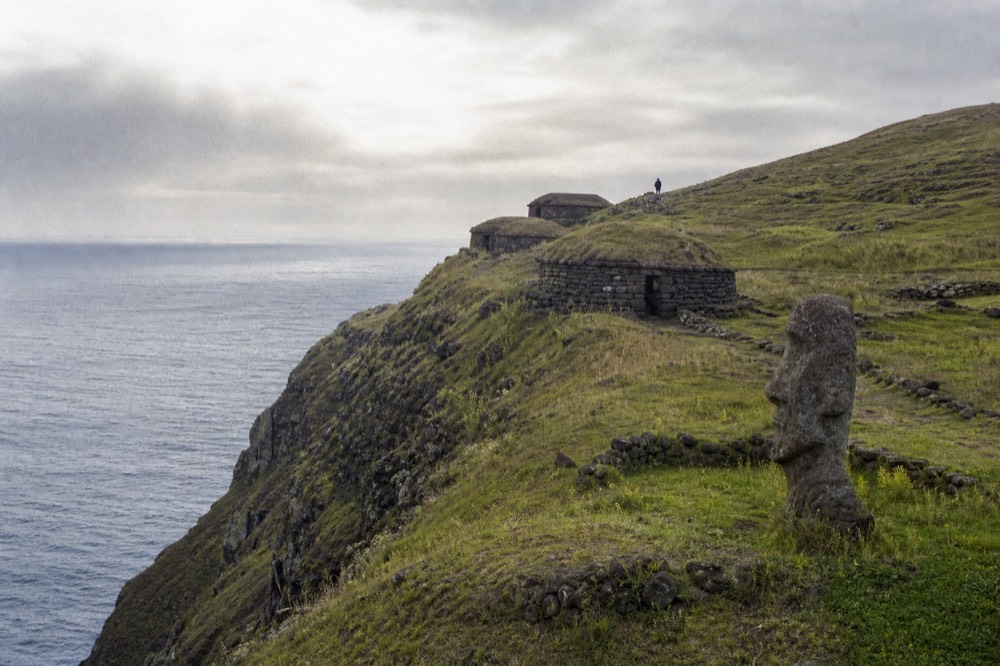
Orongo's ceremonial village sits on the crater rim of Rano Kau, where the Tangata Manu, or birdman, competition was held. Like Rano Raraku, it allows one entry per ticket. The tours that include it: the 2-day Easter Island Highlights, the 3-day with Tongariki sunrise, the Tangata Manu day tour, the Kava Kava private full-day highlights, and the 2-day private complete discovery.
Which Tours Skip What
The standard full day covers the south and east circuit and not Orongo. The Full-Day Rapa Nui National Park Tour stops run Ahu Vaihu (30 min), Ahu Akahanga (30 min), Rano Raraku (2 h), Ahu Tongariki (2 h), Ahu Te Pito Kura (1 h), Ahu Nau Nau (30 min) and Anakena Beach (30 min). The Private History of the Moai Day adds Ovahe and Ahu One Makihi to a similar spine. If Orongo and the caves matter to you, a second day or the Tangata Manu outing is the fix.
Context a good guide will give you: Paro, the tallest moai ever erected, stands nearly 10 m, about 33 ft, and weighs about 82 tonnes. A 2025 study using drones and physics modelling of the road moai supports the "walking" hypothesis of transport. And a 2024 radiocarbon study dated a rongorongo tablet to about 1493 to 1509, before European contact.
Flights, The Park Ticket And The Entry Form
Three pieces of paperwork stand between you and the moai, and only one of them is a flight. Book the LATAM seat first, because capacity is limited and prices climb in January and July. Then buy the national park ticket online, and fill in Chile's entry form before you fly.
None of the tours on this site includes the park ticket, so it is yours to sort, and rangers do check. The key-facts table below condenses the essentials, with links to fuller guides.
When To Book Tours
December through March is high season and Tapati (Jan 30 to Feb 12, 2027) is its peak; tours and rooms go first, flights follow. Most tours here cancel free up to 24 hours out, so booking when you book the flight costs nothing.
Getting Around Otherwise
No public transport exists. Taxis run about $20 to $30 to the far sites, scooters rent for $35 to $50 a day, 4WDs for $60 to $115. Fine for beaches and sunsets; the park sites themselves still require the certified guide.
Santiago To Easter Island, Round-Trip Fares In 2026
$300$400$500$600$700
Typical range $342 to $504
Marker: recent lows around $418
January and July examples $654 to $682
Higher-demand periods run hotter
2026 aggregator data, LATAM only. Booking about ten weeks ahead has saved about 27 percent against last-minute fares.
The Flight
LATAM is the only airline with regular service, Santiago (SCL) to Mataveri (IPC), about 5.5 hours on a Boeing 787, typically five or more flights a week with one to two departures on some days.
2026 aggregator data puts round trips typically between $342 and $504, with recent lows around $418. Higher-demand periods such as January and July run hotter, with examples around $654 to $682. Booking about ten weeks ahead has saved about 27 percent against last-minute. No strikes or capacity limits are reported for 2026. Our fuller write-up is at how to get to Easter Island.
The Park Ticket, Step By Step
The Rapa Nui National Park ticket costs $100 for foreign adults and $40 for foreign children. It is valid for 10 consecutive days, and each person needs their own. Buy it online at the official park site, rapanuinationalpark.com, before you travel.
Two restrictions to plan around: Rano Raraku and Orongo allow one entry each per ticket. If a tour revisits a site you have already entered, you cannot go in again. The price rose from $80 to $100 on 1 October 2025, and some operator listings still quote the old figure in their exclusions text. Carry the ticket on every tour day.
The Entry Form
The FUI, Formulario Unico de Ingreso, is required from all visitors and is filled online at the Chilean government portal before flying. You will need valid ID or a passport, a return ticket, and a booking at a SERNATUR-registered accommodation, or an invitation letter or sworn statement. Maximum tourist stay is 30 days.
Because your accommodation must be registered, it makes sense to book where you sleep before you file the form. Our where to stay on Easter Island guide covers the Hanga Roa options, from $16 to $20 campsites to hotel doubles at $45 to $200 and up.
Money And Getting Around
The currency is the Chilean peso. Cards are widely accepted, but cash is preferred or required at Anakena, for taxis and small purchases, and some places take USD or EUR bills in perfect condition. There are two ATMs in Hanga Roa, and they can run dry at weekends and in high season, so withdraw early in your stay.
There is no public transport. A taxi from Hanga Roa to far sites runs about $20 to $30 each way, a scooter $35 to $50 a day, a car or 4WD $60 to $115. Remember that driving yourself does not unlock the park: sites still require a Ma'u Henua-accredited guide, so independent wheels are for town and coast only.
Can You Visit Without A Guide?
Nosolo site visits
The Honest Answer: The Park Sets The Rules
You cannot walk into the archaeological sites alone. Rapa Nui National Park requires a Ma'u Henua-accredited guide at every site, so the practical question is never "guided or not", it is which guided format fits you: shared van, boutique small group, or private.
What you should not do is book nothing and assume it sorts itself out on arrival. Guided seats are finite on an island this small, and high season and the Tapati festival fill them fast.
Source: rapanuinationalpark.com, the official park site, which states that an accredited guide (certified by Ma'u Henua) is mandatory and that no site can be visited independently.
A guide is not an optional upgrade on Rapa Nui. The national park is administered by the Ma'u Henua Indigenous community, and visiting it requires a guide accredited by them. Sites cannot be visited independently, full stop. The tours that enter the park are led by certified local guides because that is the rule, not a marketing choice.
How A Guided Park Visit Works
1Buy your ticket online$100 per foreign adult at the official park site, one per person
2Book an accredited guideMa'u Henua certification is mandatory, so every tour here uses one
3Show the ticket at the siteRangers check at the main sites, so carry it on every tour day
4Enter each site onceRano Raraku and Orongo allow one entry per ticket
Sites cannot be visited independently, even with your own transport.
What The Rule Covers
Rangers are present at the main sites and they check at the main sites. The rules behind them are specific: no touching, leaning on, climbing or approaching the moai or ahu. Fines run from 5 to 100 UTM under Law 17.288 on National Monuments. Drones need authorisation, and fires, camping, pets, alcohol and smoking are banned in the park. Permitted distances, paths and ropes are enforced. We explain the touching rule in more depth at why you can't touch the moai.
This is protective law, not bureaucracy. After the 2022 fire cracked around 80 moai at Rano Raraku, conservation work is ongoing, and the rules exist to protect the monuments.
What You Can Do On Your Own
Plenty, and good trips use it. Ahu Tahai, a restored complex on the northern edge of Hanga Roa, is a short walk from town and free to see at sunset. Anakena's beach is an independent stop too, though the platforms and the quarry are not. Hanga Roa itself and the coast road fill slow afternoons.
The Hanga Roa volcanic coast is a snorkelling destination, including the sunken replica moai left by a 1994 film, and the guided snorkel tour listed here covers it. If your dates hit late January or early February, the Tapati Rapa Nui festival, 30 January to 12 February 2027, puts more than 40 cultural activities and competitions in front of you.
Choosing A Guided Format
Since guided is a given, the real question is which format. A shared van full day, from $100 to $200 per person, moves you efficiently through the south and east circuit with a fixed clock. A boutique small group, such as the 6.5-hour outing at $200, trades headcount for pace. A private tour, $240 to $294 among the priced listings, sets the clock itself and suits anyone with photography, mobility or depth-of-interest needs.
Match the format to your days on the island, not to the price tag alone. One day suits a shared full day. Three days justifies a multi-day listing and the sunrise. And whatever you book, the park ticket is separate: our park ticket guide walks through it.
Sunrise Chasers, Families And Photographers
The Sunrise Chaser
Some travellers do not fit dawn into a trip. They build the trip around it. That person picks the 3-Day Rapa Nui Tour + Tongariki Sunrise, 4.7 from 159 reviews and from $250 per person, and books a flight that lands the day before the first morning. As the sunrise section above explains, the dawn outing sits alongside two full days of sites, so one booking covers the island.
The same traveller also keeps one evening free for the Rapa Nui Stargazing Night, from $140 per person and rated 4.5 from 64 reviews. It runs on a different clock, so the two never compete for the same hours. Dawn light at the platform one morning, southern constellations on a separate night: a whole trip built around whatever the sky is doing.
Families And Small Groups
Private tours solve the family problem. The Private Full-Day Moai Monuments Tour by Green Island Tours needs a minimum of 2 people per booking and gives you a driver-guide in a private vehicle; with two hours reserved for the Rano Raraku quarry and an hour at Tongariki, nobody is hurried to a bus schedule. The van waits at your pace, which matters with children.
Check the fine print before you book. Infants must sit on laps on some listings, and most tours are not wheelchair accessible. The Full-Day Rapa Nui National Park Tour states plainly that it is not recommended for travellers with back problems or pregnant travellers. For a relaxed pace with a small group rather than a private vehicle, the boutique Adventures in Rapa Nui day ($200, 4.9 from 36 reviews) and the Private History of the Moai Day by Kapua ($219, 4.7 from 13 reviews, with 100 minutes at Anakena) both build in unhurried stops.
Group size caps vary. The private archaeology day by Kava Kava Tours allows a maximum of 8 people per booking, which suits an extended family splitting one vehicle.
Photographers
Your two assets are time and light. Private days let you linger a full hour, or two, at the Rano Raraku quarry, where hundreds of moai remain in and around the slopes where nearly all were carved. The Private Full-Day Island Highlights by Kava Kava Tours (6 hours, 4.9 from 112 reviews) splits its time generously: two hours at the quarry, an hour at Tongariki, an hour at Orongo, plus Rano Kau and Ahu Akivi. No price is shown here, so check the booking page for the current figure.
Early light at Tongariki is the island's signature shot, and the angle of the sun behind the moai shifts through the year, so the month you visit changes the picture you get. For the Anakena afternoon, aim to close the day at Ahu Nau Nau with its palms, planted in 1960, and the beach kiosks. Bring cash.
Couples And Second-Time Visitors
Been once and seen the east coast circuit? The second visit earns its keep at the sites the day tours skim: Orongo on the Rano Kau crater rim, the Ana Te Pahu lava caves, and Ahu Akivi, the platform set inland from the sea. The 2-Day Private Complete Discovery by Easter Island Travel (4.9 from 118 reviews) covers about a dozen sites over two days in an air-conditioned minivan with a driver-guide and bottled water. Like the Kava Kava day, it shows no price here, so confirm on the booking page. Lunch and gratuities are not included.
Cruise Passengers
One hard rule: the private listings by Kava Kava Tours, Green Island Tours and Easter Island Travel are not available to cruise-ship passengers. If you arrive by ship, the shared day tours are the workable route, and you should confirm the timing against your port call before booking anything. Read each listing's terms on the booking page rather than assuming.
Why Book Before You Fly
Hanga Roa is the only town on an island roughly 15 miles across, and every tour on this site runs out of it. Thirteen listings carry 1,178 reviews between them, but the certified guides accredited by Ma'u Henua, the community that administers the park, are a finite pool. Sites cannot be visited independently, so the guide you book is the gate you pass through.
Cancellation Terms Differ By Listing
24 hoursMost listings: cancel at least 24 hours before the start for a full refund.
3 full daysThe 3-Day Tour with the Tongariki sunrise needs three full days of notice.
No refundThe Stargazing Night pays nothing once the tour has started.
Most of the tours here follow one pattern: cancel at least 24 hours before the start for a full refund, according to the cancellation text we read. Two listings break that pattern. The 3-Day Rapa Nui Tour + Tongariki Sunrise asks for at least 3 full days of notice, which matters when a flight changes. The Rapa Nui Stargazing Night pays no refund once the tour has started.
The exact rule is always shown on the individual booking page, so read it before paying rather than after. That makes holding a place early a low-risk move on the standard listings, where 24 hours of notice secures a full refund. The 3-day notice and the no-refund-once-started rules need firmer plans. Confirm the exact wording on each listing before you rely on any of it.
High Season And Tapati
30 Jan to 12 Feb 2027Tapati Rapa Nui, the 59th edition, with more than 40 cultural activities and competitions
When Easter Island Fills Up
Jan
Feb
Mar
Apr
May
Jun
Jul
Aug
Sep
Oct
Nov
Dec
Fills first (December to March)
Flight prices climb
Tapati, 30 Jan to 12 Feb 2027
December to March fills first, and for good reason: the climate is subtropical and mild all year, averaging about 20 to 21 C, with February highs around 27 to 28 C. The squeeze peaks with the Tapati Rapa Nui festival, 30 January to 12 February 2027, its 59th edition, with more than 40 cultural activities and competitions. Flights and rooms tighten around it, and accommodation is limited and expensive, so book early.
Flights are LATAM only, Santiago to Mataveri, about 5.5 hours. Round trips typically run $342 to $504, and booking about 10 weeks ahead has saved about 27 percent against last-minute fares.
A Simple Booking Order
The flight
The FUI entry form
The room
The park ticket
The tours
Work down this list and you will not backtrack. First the flight, because LATAM's five-or-so weekly departures set every other date. Second the FUI entry form, required from all visitors on the Chilean government portal before flying, with a return ticket and SERNATUR-registered accommodation. Third the room. Fourth the park ticket, $100 for foreign adults, valid 10 consecutive days, bought online, and never included in any tour here. Fifth the tours themselves.
Then come back and compare the day tours against your dates, or start with the itinerary guide if the shape of your trip is still open. The FAQ answers the common booking questions.
Match The Tour To Your Days
One long day, two steady days or a private van at your own pace: the right pick depends on how you travel, not on the moai count. Compare the 13 listings side by side, check the terms on the booking page, and book the guide before the island fills.
Pedro Pakarati is a Rapa Nui-based tour guide and archaeological specialist who has been guiding international visitors since 2015 and has served over 1,000 travellers. His specialisms are moai and ahu archaeology, the Rano Raraku quarry, site interpretation, visitor logistics and cultural context.
On this site, Pedro is the reviewer of the judgment calls: which sites deserve your time, how a day should be paced, and where a rushed itinerary fails the visitor. He is known for respectful, well-paced tours and clear storytelling, and those standards shape how we read each listing.
He does not operate, sell or hold seats on any tour listed here. Ratings, prices and review counts are read off the live listings, and park rules are taken from the official Chilean and Ma'u Henua sources rather than from operator marketing copy.
Priced tours on this site run from $100 to $294 per person. A full day costs from $100 on the Full-Day Moai & Mystery Tour up to about $200 to $219 on the small-group and private-history options. The 2-day highlights tour is from $170, and the 3-day tour with the Tongariki sunrise is from $250. The stargazing night is $140. Private full days sit between $240 and $294. Four listed tours have no published price, so check the booking page for those. None of these prices includes the $100 national park ticket.
Do Easter Island tours include the national park ticket?
No. Every tour on this site excludes the Rapa Nui National Park ticket, and you must buy it yourself online at the official park site, rapanuinationalpark.com. A foreign adult ticket costs $100 and a foreign child $40, valid for 10 consecutive days, with each person needing their own. Rano Raraku and Orongo allow one entry each per ticket. The price rose from $80 to $100 on 1 October 2025, and some operator listings still quote the old figure in their exclusions text, so trust the official $100 number when budgeting. Chilean adults pay 40,000 CLP.
Can you visit the moai without a tour?
No. Visiting the national park requires a guide accredited by Ma'u Henua, the Indigenous community that administers the park, and the sites cannot be visited independently. Rules are strictly enforced: no touching, leaning on, climbing or approaching moai or ahu, with fines of 5 to 100 UTM under Law 17.288 on National Monuments. Drones need authorisation, and fires, camping, pets, alcohol and smoking are banned. Paths and ropes mark the permitted distances. One free option inside town: Ahu Tahai, a restored complex on the northern edge of Hanga Roa, is a short walk and free to see at sunset.
How many days of tours do I need?
One full day covers the eastern circuit most visitors come for: Ahu Tongariki with its 15 moai, the Rano Raraku quarry where nearly all moai were carved, and Anakena Beach. Two days from $170, about $85 a day, adds Orongo and the Ana Te Pahu lava caves. Three days from $250, about $83 a day, adds Ahu Akivi, Puna Pau, Vinapu and a dedicated dawn outing at Tongariki. As one traveller put it, the longer format is "the perfect amount to see everything on the island without feeling rushed".
When should I book an Easter Island tour?
Book flights about 10 weeks ahead: that window has saved about 27 percent against last-minute fares on the Santiago to Mataveri route. For tours, most listed options offer free cancellation up to 24 hours, and the 3-day tour up to 3 days before, so early booking carries little risk. If you are coming for the Tapati Rapa Nui festival, running 30 January to 12 February 2027 in its 59th edition, book much earlier: accommodation is limited and expensive, and tour seats tighten too. January and July are the higher-demand flight periods.
Is the Tongariki sunrise worth the early start?
Sunrise at Ahu Tongariki falls around 6:30 AM from December to February and around 7:30 AM from June to August, and the sun's angle shifts through the year, so the exact alignment depends on your month. The 3-Day Rapa Nui Tour + Tongariki Sunrise, from $250, builds the dawn outing into a full circuit that also covers Orongo, Ahu Akivi, Puna Pau and Ahu Tahai. Fifteen moai stand on the island's largest ahu, restored in the 1990s with Japanese support after a tsunami displaced the statues. For photographers, the early start is the whole point.
Do the guides speak English?
Yes. Tours that enter the park are led by certified local guides, a park requirement, and English is widely used in island tourism. Spanish is the official language and Rapa Nui the cultural language. Several listings state English and Spanish explicitly, including the 2-day Easter Island Highlights tour, the Full-Day Moai & Mystery Tour and the Adventures in Rapa Nui small-group day tour. Reviewers regularly praise the guides' explanations; one wrote that "there was adequate explanation, and overall was a lovely experience".
What should I bring on a tour day?
Bring your national park ticket and cash. Food at Anakena and Rano Raraku is cash only, and taxis, small purchases and Anakena vendors prefer or require cash; the two ATMs in Hanga Roa can run out at weekends and in high season. The platforms have little shade and the trade winds are constant, so pack sun protection, a wind layer and water; some tours provide bottled water. Wear sturdy shoes for quarry paths. For the stargazing night, dress warm: the wind comes off the open Pacific even after a warm day, and the session runs about 3.5 hours.
What is the cheapest way to see the moai?
The cheapest listed tour is the Full-Day Moai & Mystery Tour at from $100 per person, covering Vaihu, Akahanga, the Rano Raraku quarry, Tongariki, Te Pito Kura and Anakena Beach with guide, transport and driver included. Add the $100 park ticket and your day costs about $200. Renting a scooter at $35 to $50 a day does not dodge the ticket or the rule requiring an accredited guide inside the park, so self-guiding is not a legal saving. The genuinely free option is Ahu Tahai in Hanga Roa, a restored complex a short walk from town, free to see at sunset.
Is a private tour worth the extra money?
Private full days run from $240 to $294. The strongest record belongs to the Private Full-Day Archaeological Sites Tour by Kava Kava Tours: 5.0 from 20 reviews, every one five stars, a private vehicle, hotel pickup and drop-off, and a maximum of 8 people. Green Island Tours' private moai tour rates 4.9 from 29 reviews. What the money buys is pace: two full hours at Rano Raraku and unhurried stops, rather than a fixed group schedule. If budget matters, a well-rated group tour at from $100 delivers most of the same sites.
Can cruise passengers book these tours?
Not the private ones. Four listings explicitly exclude cruise-ship passengers: the Private Full-Day Archaeological Sites Tour, the Private Full-Day Moai Monuments Tour, the Private Full-Day Island Highlights, all by Kava Kava Tours or Green Island Tours, and the 2-Day Private Complete Discovery by Easter Island Travel. Always confirm timing against your ship's schedule on the booking page before you commit.
What is the entry form and do I need it?
Yes. The FUI, Formulario Unico de Ingreso, is required from all visitors and must be filled in online at the Chilean government portal before you fly. You will need a valid ID or passport, a return ticket, and a booking at a SERNATUR-registered accommodation or an invitation letter or sworn statement. The maximum tourist stay is 30 days. This is separate from the national park ticket and separate from any tour booking; no tour on this site handles it for you. Do it before departure.
When is the best time of year to take a tour?
The island is subtropical and mild all year, averaging about 20 to 21 C, so tours run well all year. February is the warmest, with highs around 27 to 28 C and sea temperature at Anakena near its peak; August is coolest, with lows of 15 to 17 C. For stargazing, the clearest skies run April to October, and the darkest skies fall around the new moon. Rain falls year-round, so pack for showers whenever you come. January and July are higher-demand flight periods, and the Tapati Rapa Nui festival from 30 January to 12 February 2027 means crowded, pricey accommodation.
Are the tours suitable for children or limited mobility?
Children pay a reduced park ticket of $40, and most full-day routes include Anakena Beach, a stop of 30 minutes or more, with restaurants, kiosks and picnic areas alongside Ahu Nau Nau and its moai. The 3-day tour states travellers should have moderate fitness, and the platforms have little shade. For slower pacing, a private tour is the flexible choice: the Kava Kava archaeological option caps bookings at 8 people and devotes two full hours to Rano Raraku. Raise specific mobility needs with the operator before booking.
How does this site make money?
Through affiliate commission, at no extra cost to you. Tour Rapa Nui is an independent comparison site, not a tour operator; it runs, sells and holds seats on nothing. When you click a tour link or availability button, you go to the operator's listing on a booking platform, and any payment happens there. Nothing is charged on this site. If you book after clicking through, the platform pays this site a share of the commission it earns from the operator. The full breakdown of which links carry the tag, what it does not change, and how to avoid it if you prefer is on the legal page.